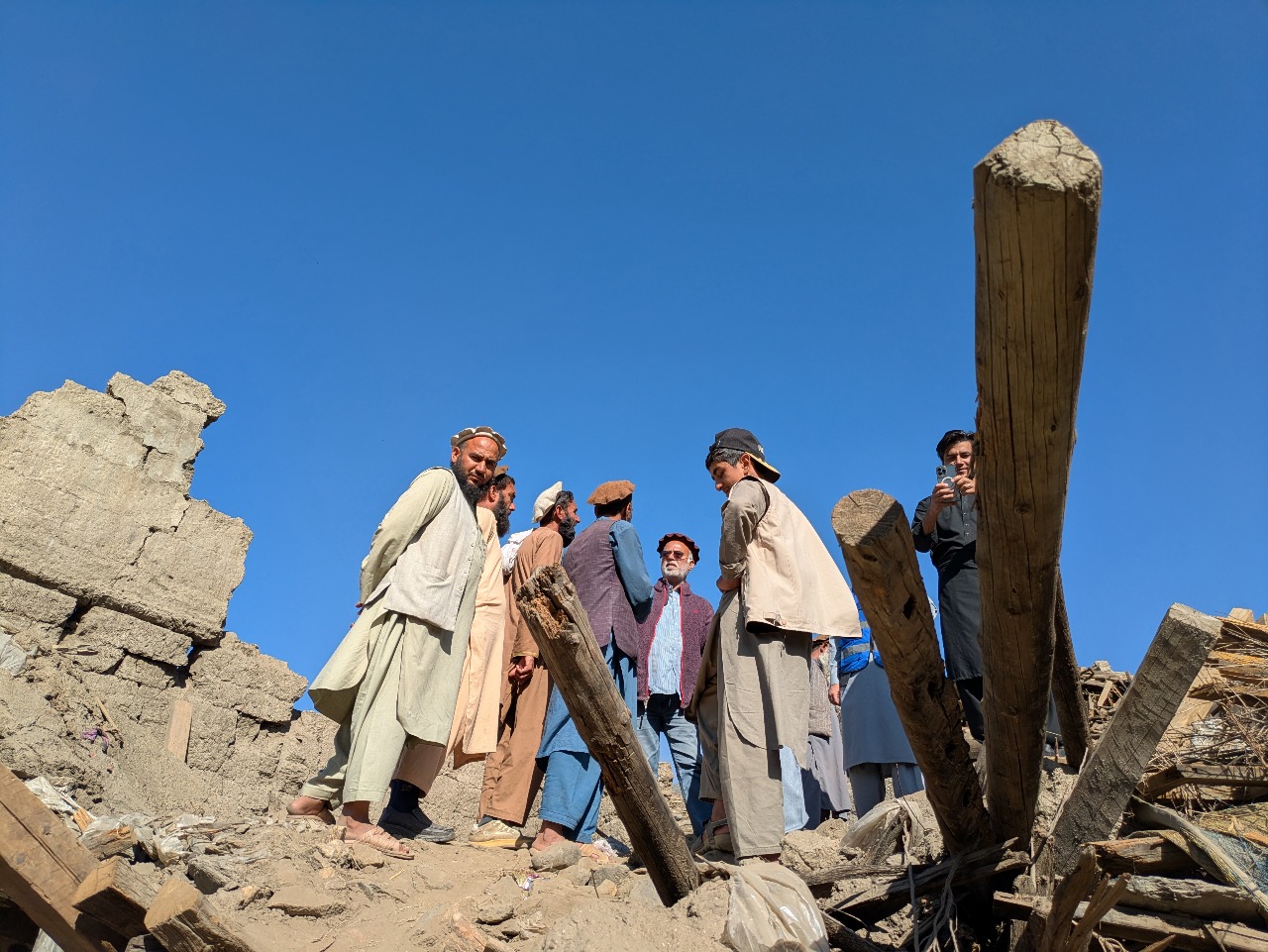
Joint Rapid Recovery Needs Assessment: The 2025 Eastern Afghanistan Earthquake
Led the housing damage and needs assessment of a joint recovery assessment after the 2025 earthquake in Eastern Afghanistan.
Led the housing damage and needs assessment of a joint recovery assessment after the 2025 earthquake in Eastern Afghanistan.
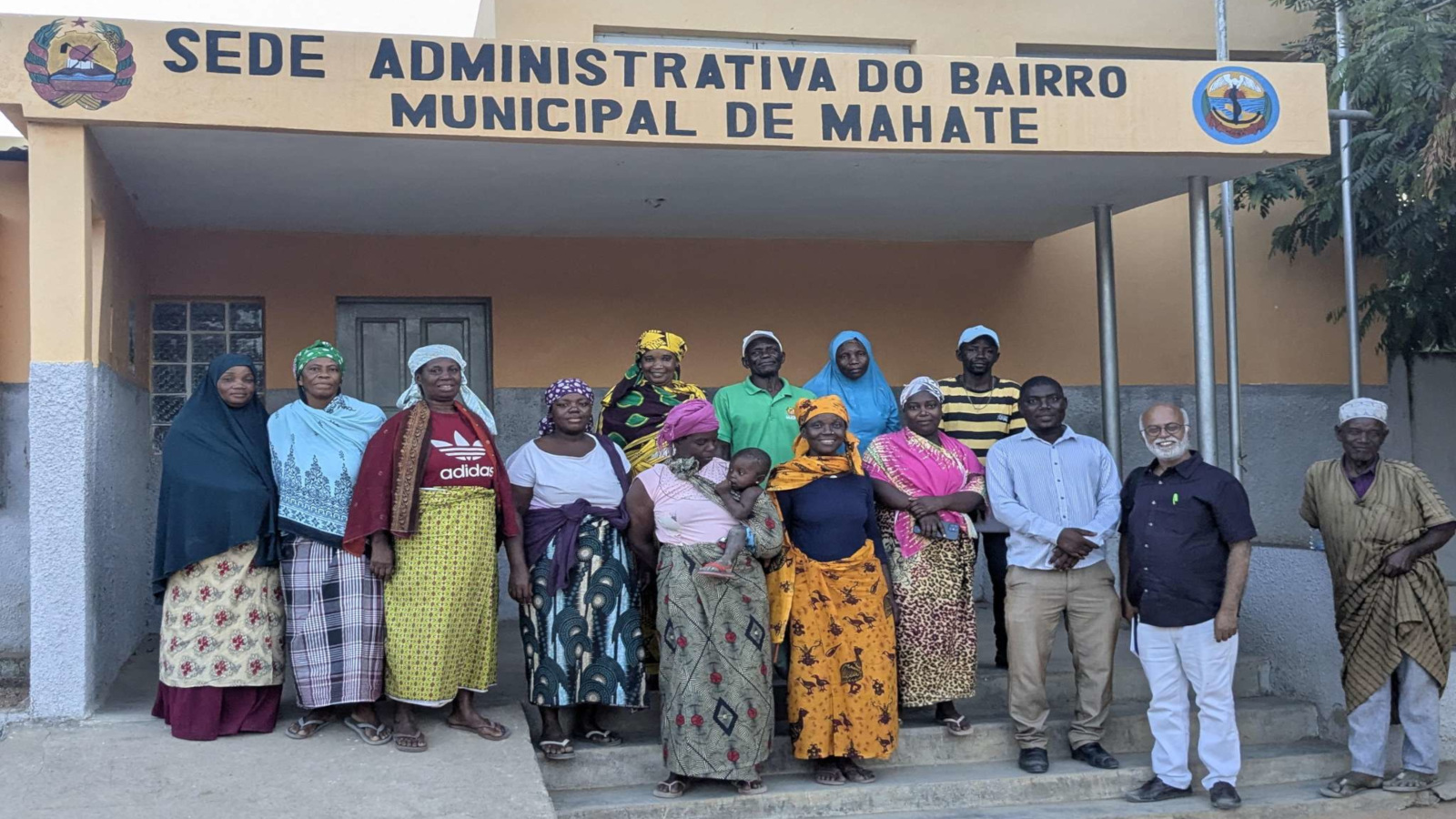
Evaluated the Mozambique Recovery Facility, the multi-partner programme established after Cyclones Idai and Kenneth, assessing its effectiveness, sustainability, institutional arrangements and recovery outcomes.
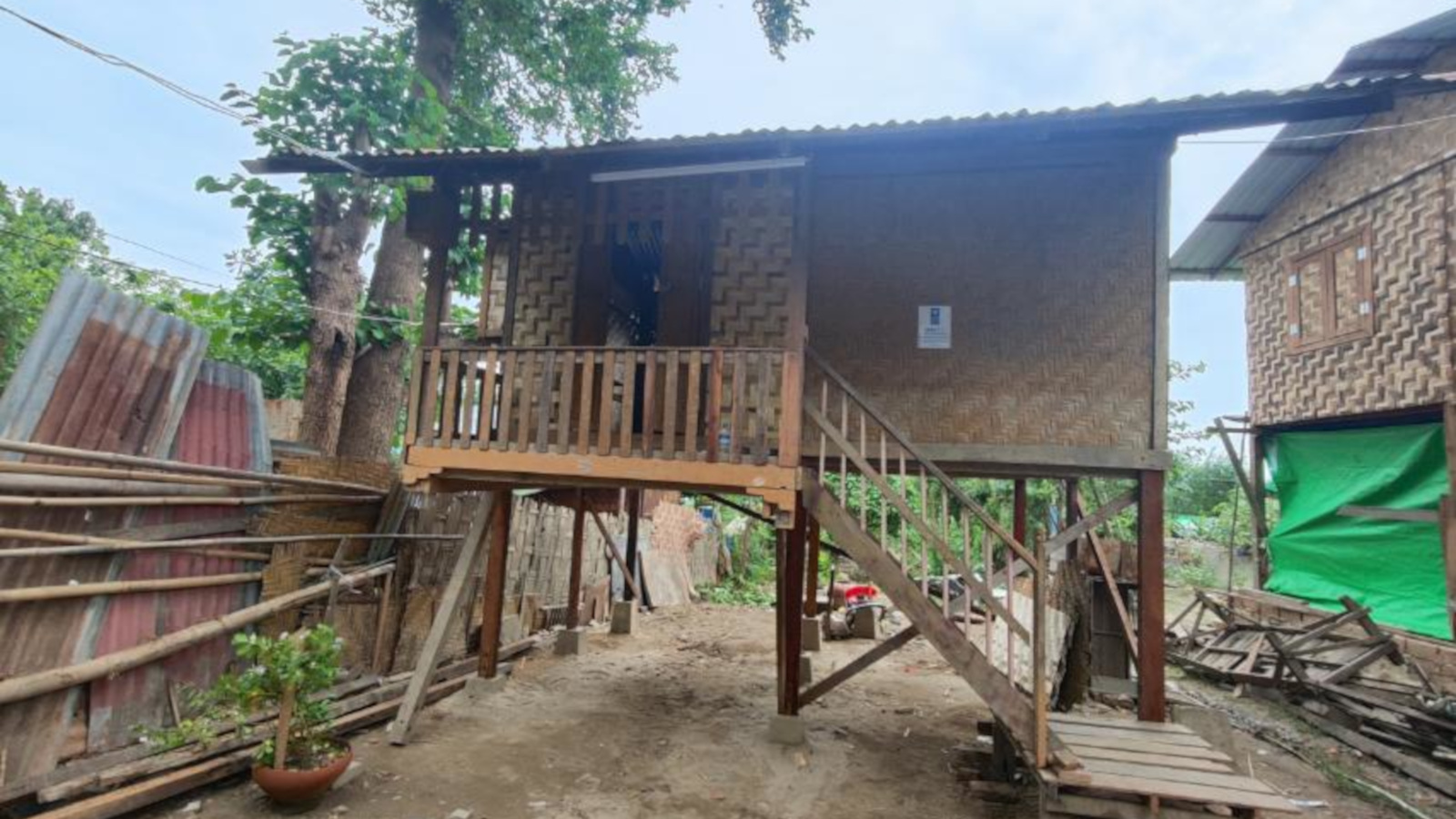
Prepared design options and technical guidelines for wooden-bamboo transitional shelters after the 2025 Sagaing earthquake in Myanmar.
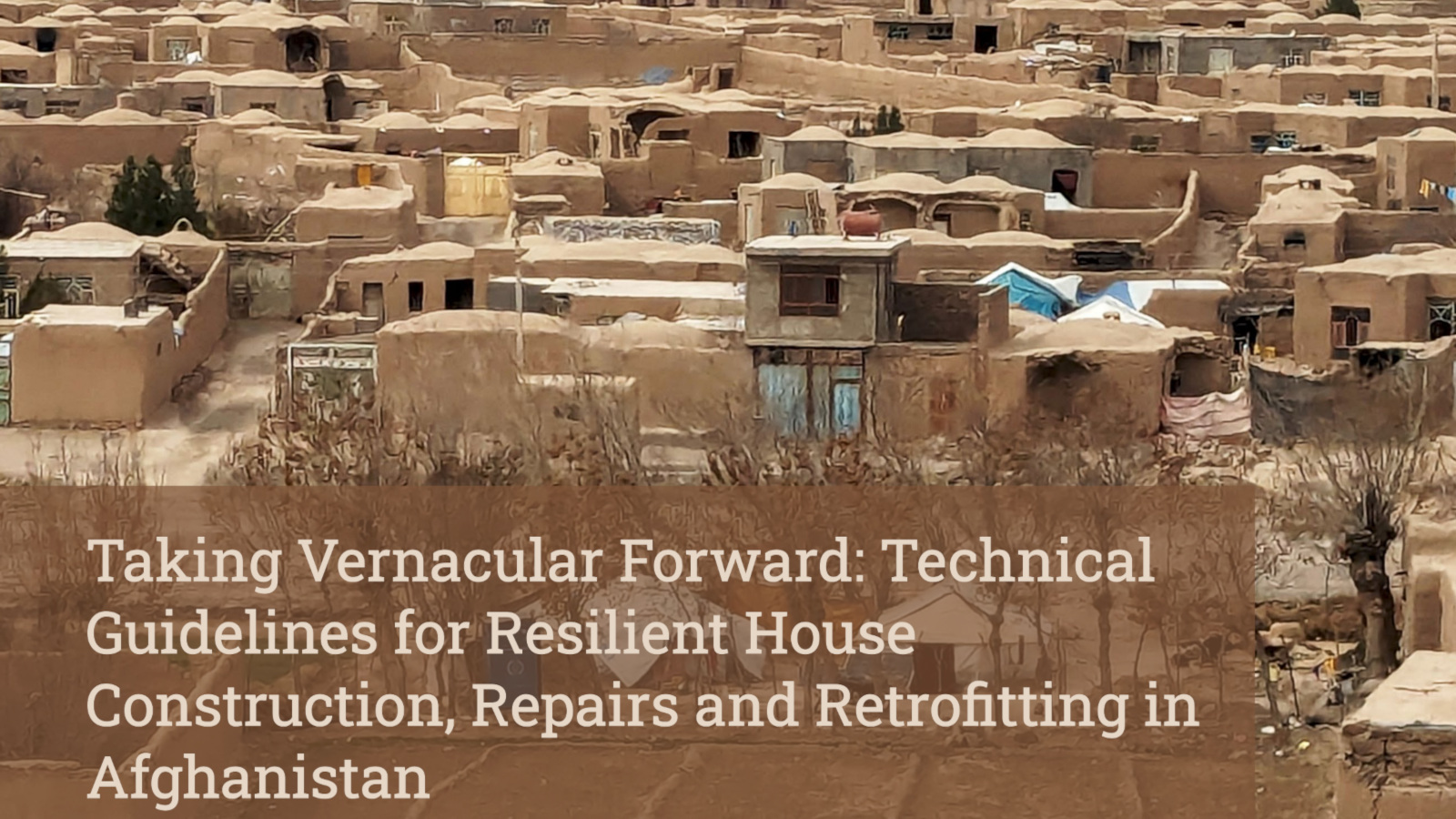
Developed earthquake-resilient reconstruction guidelines for traditional earthen houses in western Afghanistan following the 2023 Herat earthquakes.
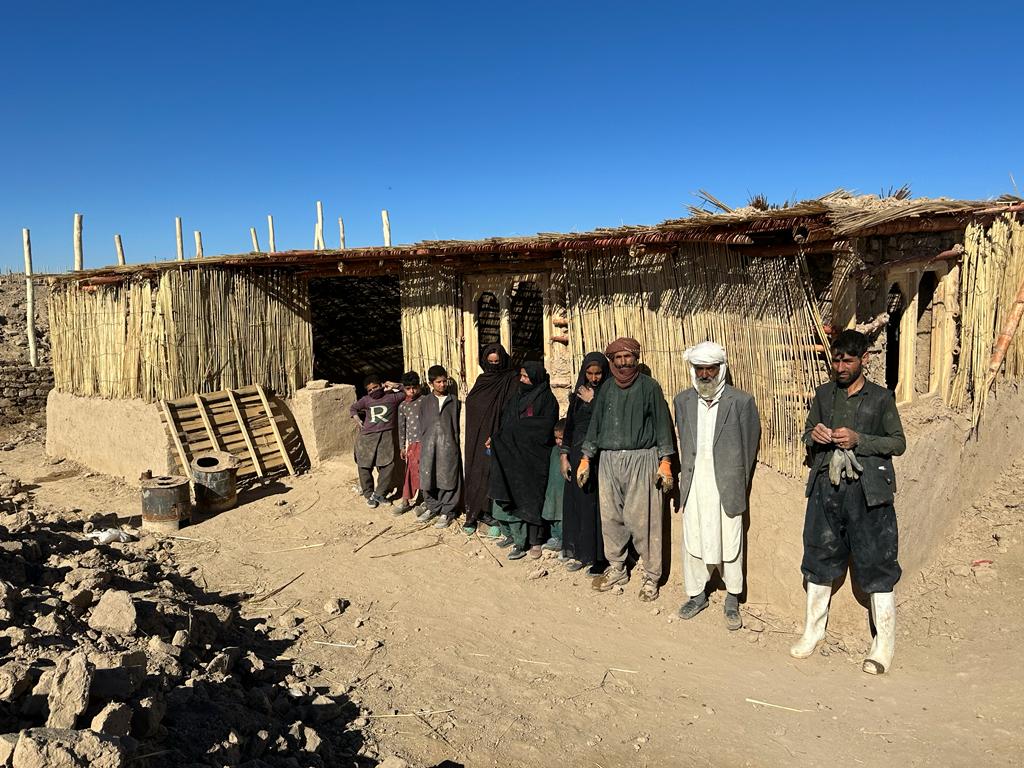
Provided UNDP technical support that enabled over 200 earthquake-affected families in Chahak, Afghanistan to build transitional shelters before winter.
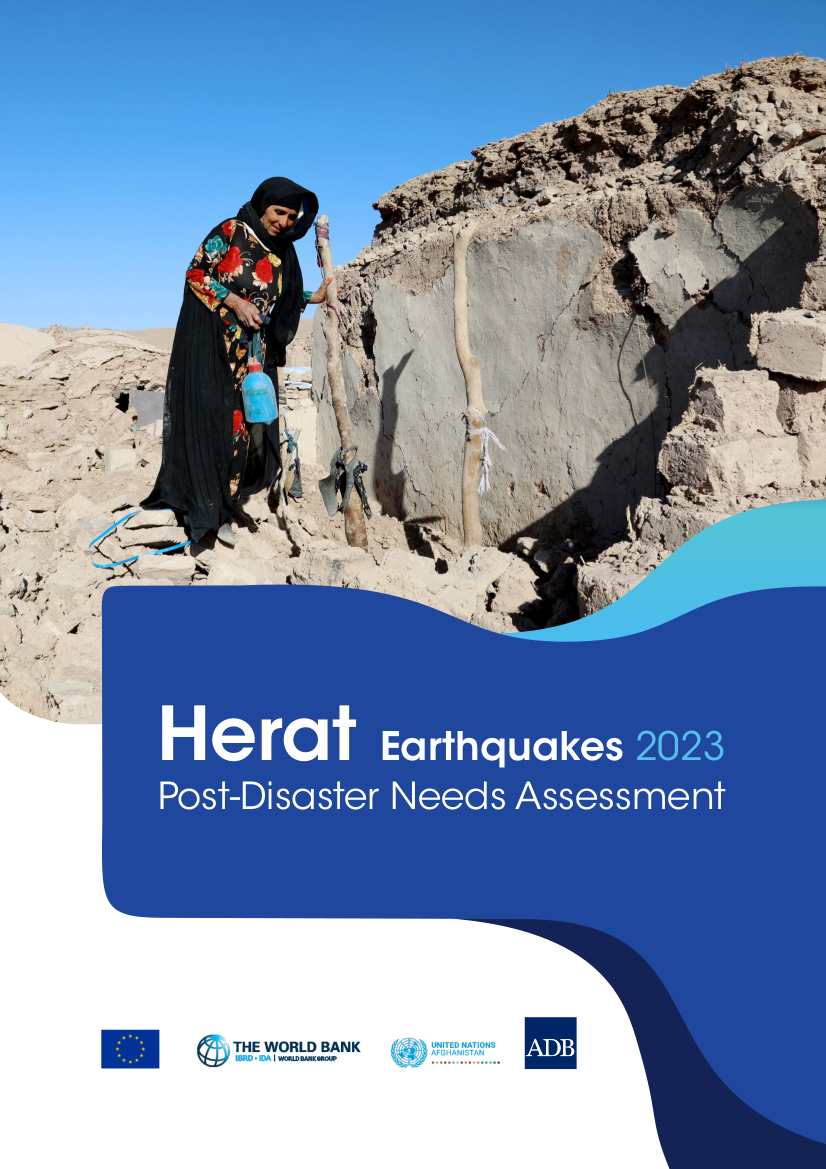
Led the housing sector assessment of damage, loss and recovery needs for the PDNA after the 2023 Herat earthquakes.
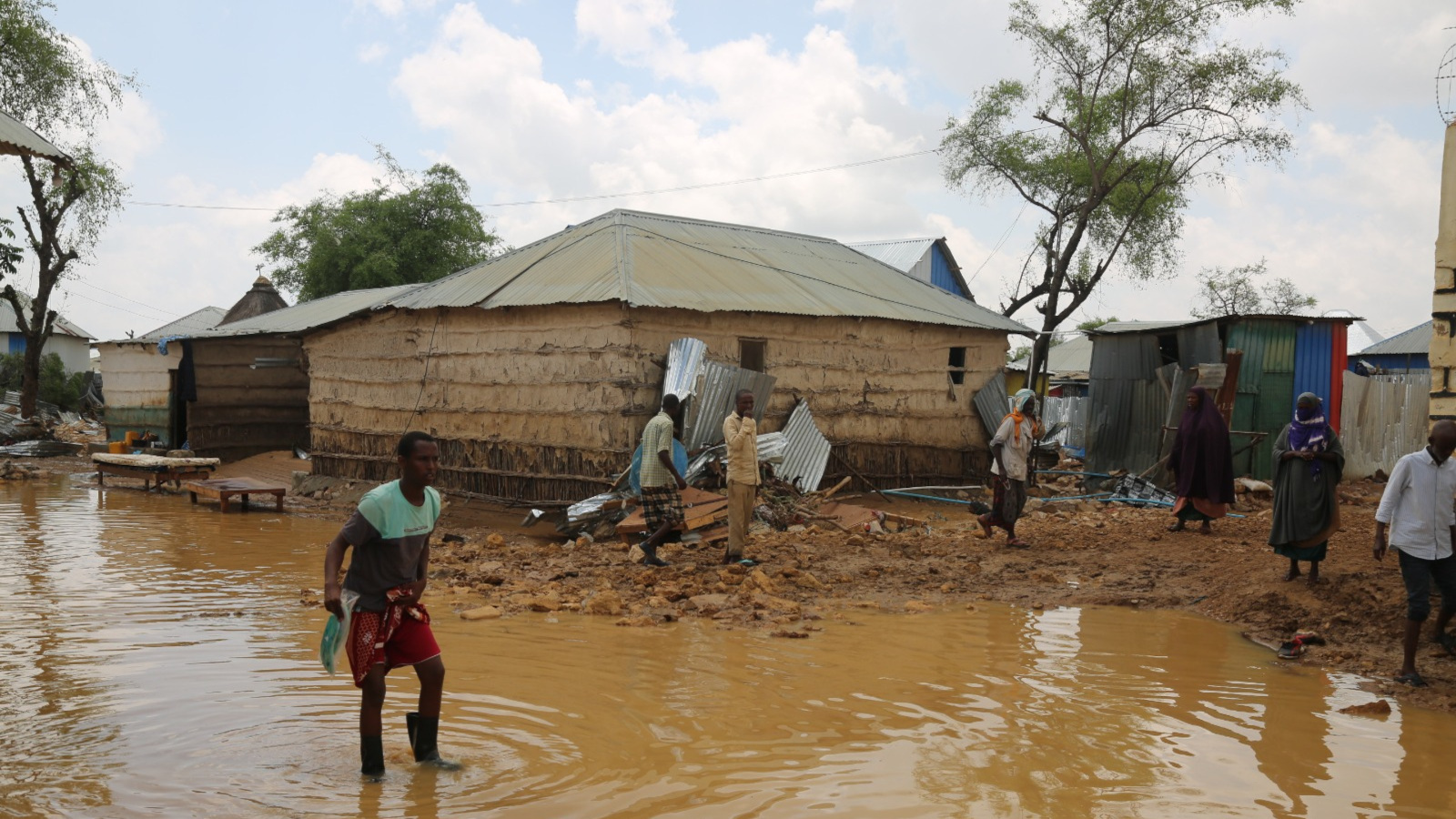
Developed a housing recovery framework to support reconstruction and repair of flood-damaged homes in Somalia following the 2023 Deyr floods.
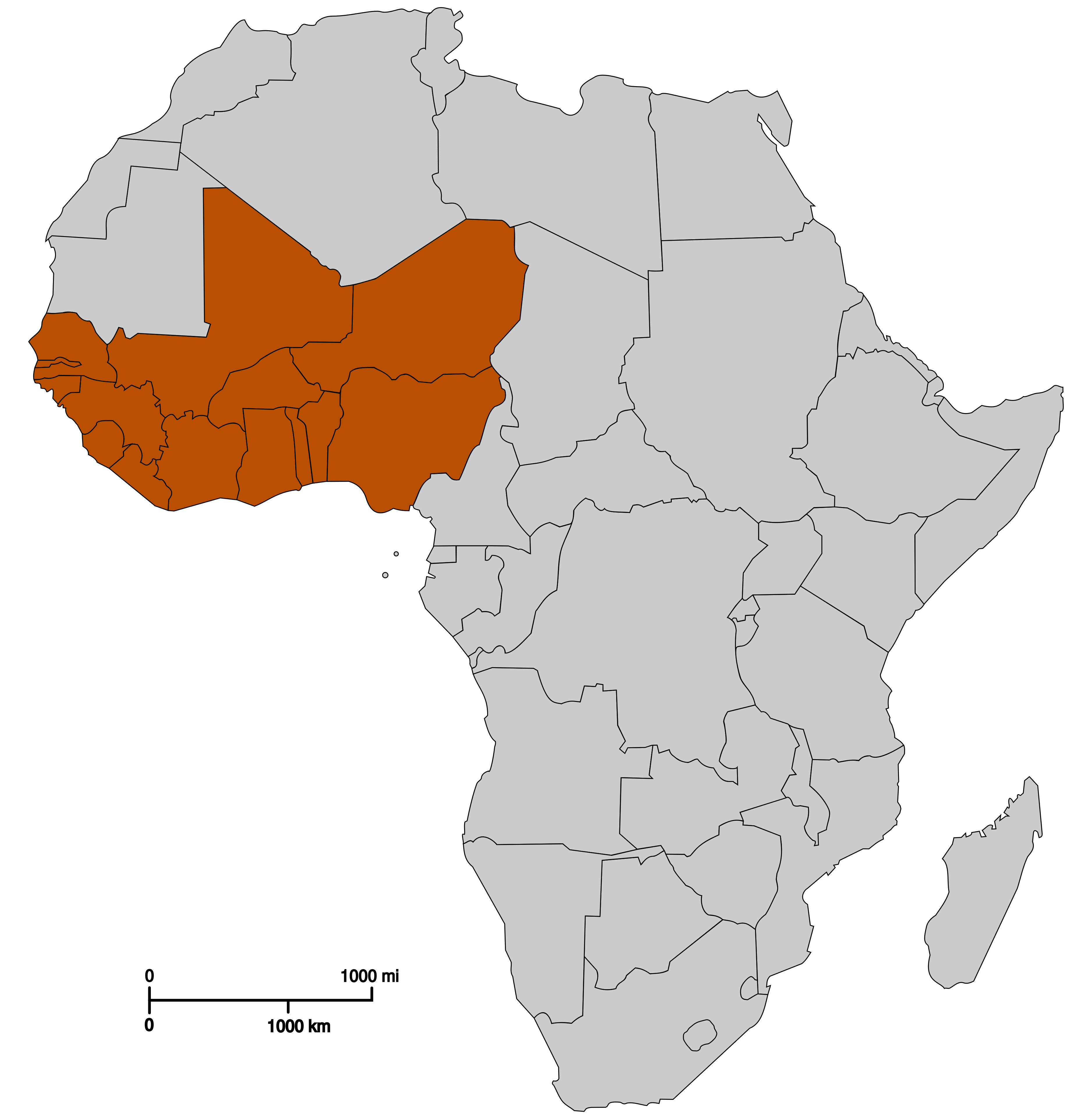
Preparing a technical reference guide with UNDP to help the fifteen ECOWAS member states recover quickly and effectively from disasters.
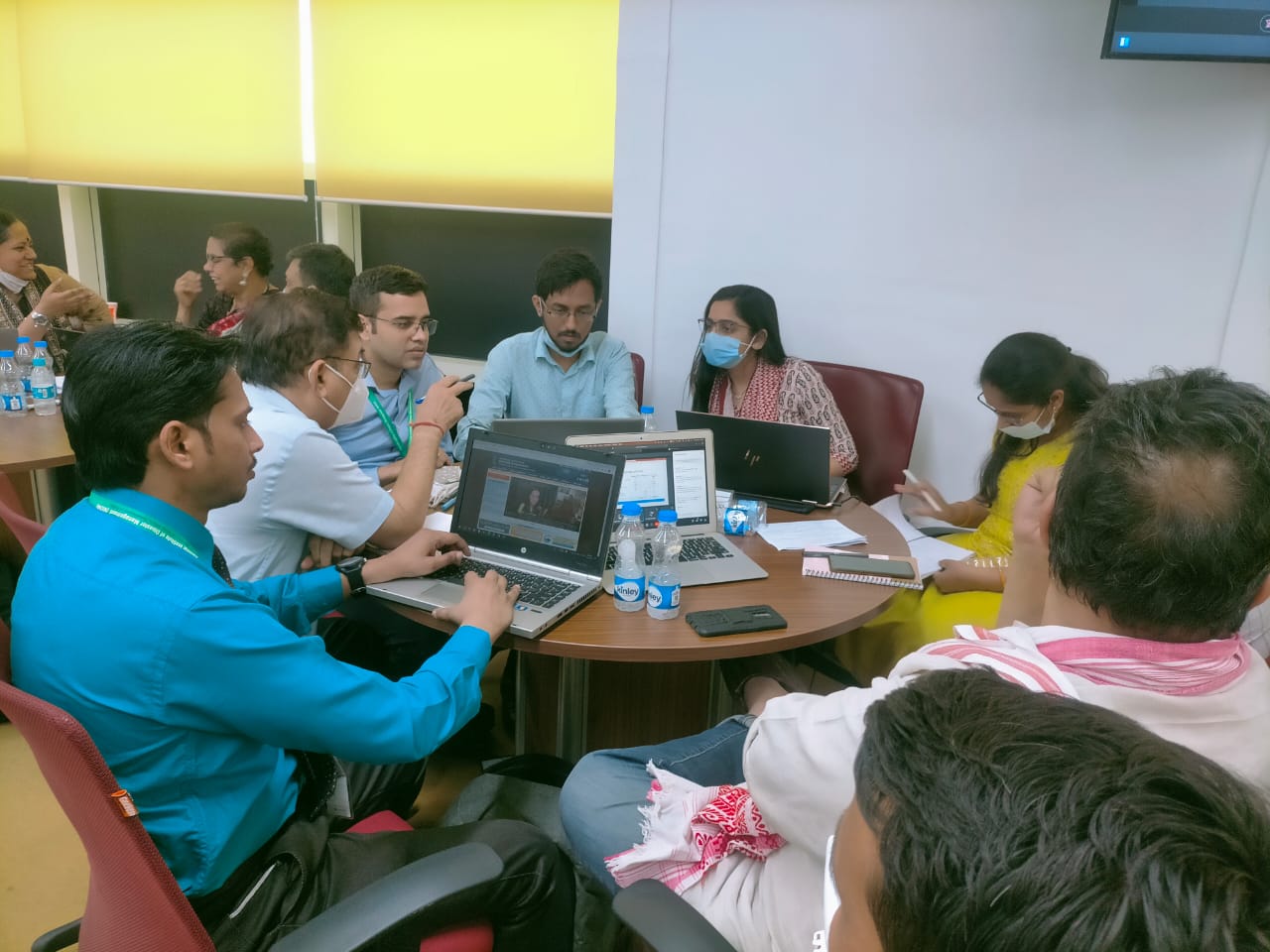
Led sessions on damage, loss and recovery needs at NIDM's Training of Trainers on Post Disaster Needs Assessment.
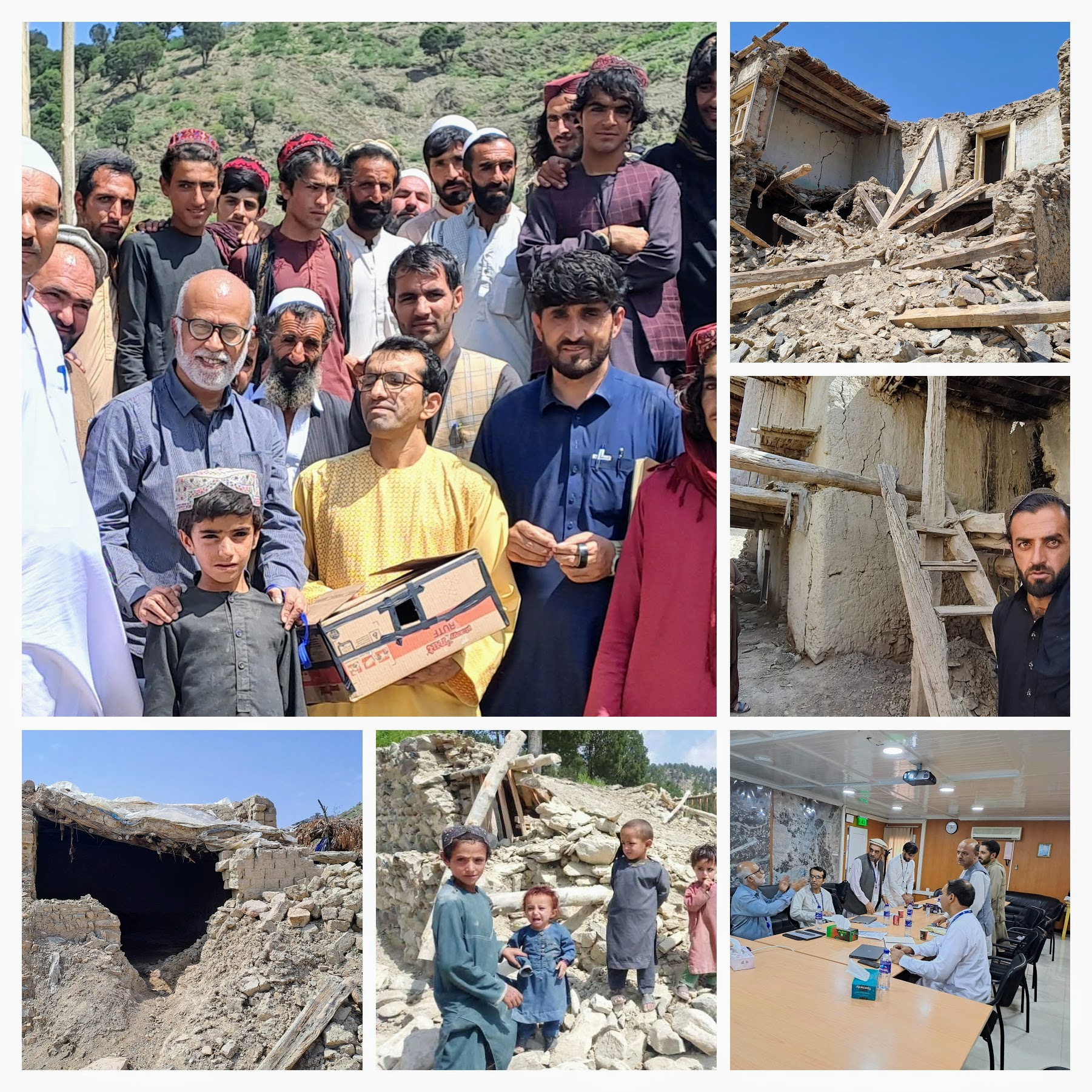
Deputed a housing adviser to help UNDP institute an owner-driven reconstruction programme after the 2022 Afghanistan earthquake, facilitating over 150 house owners.
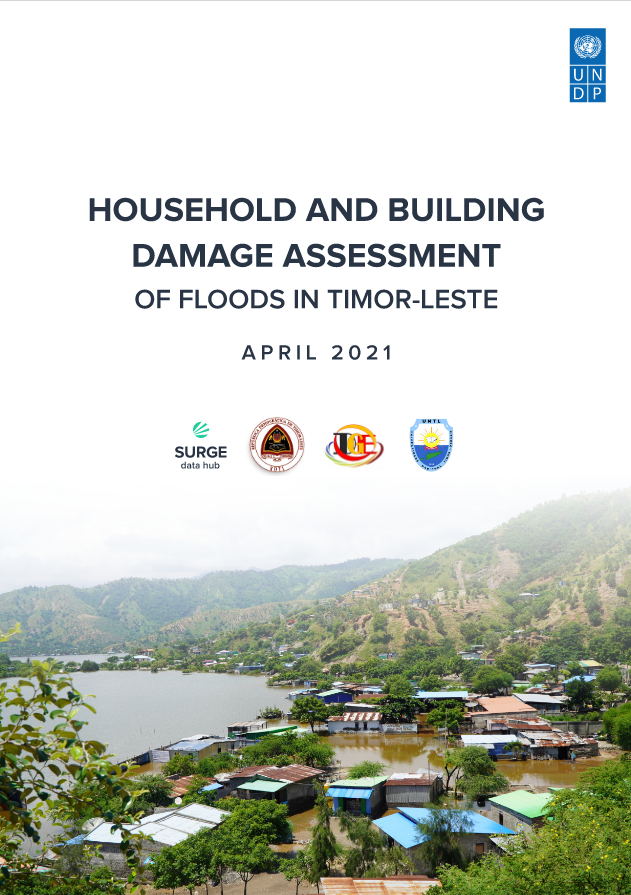
Led the UNDP Household and Building Damage Assessment in Timor Leste after Tropical Cyclone Seroja, assessing nearly 1,000 buildings.
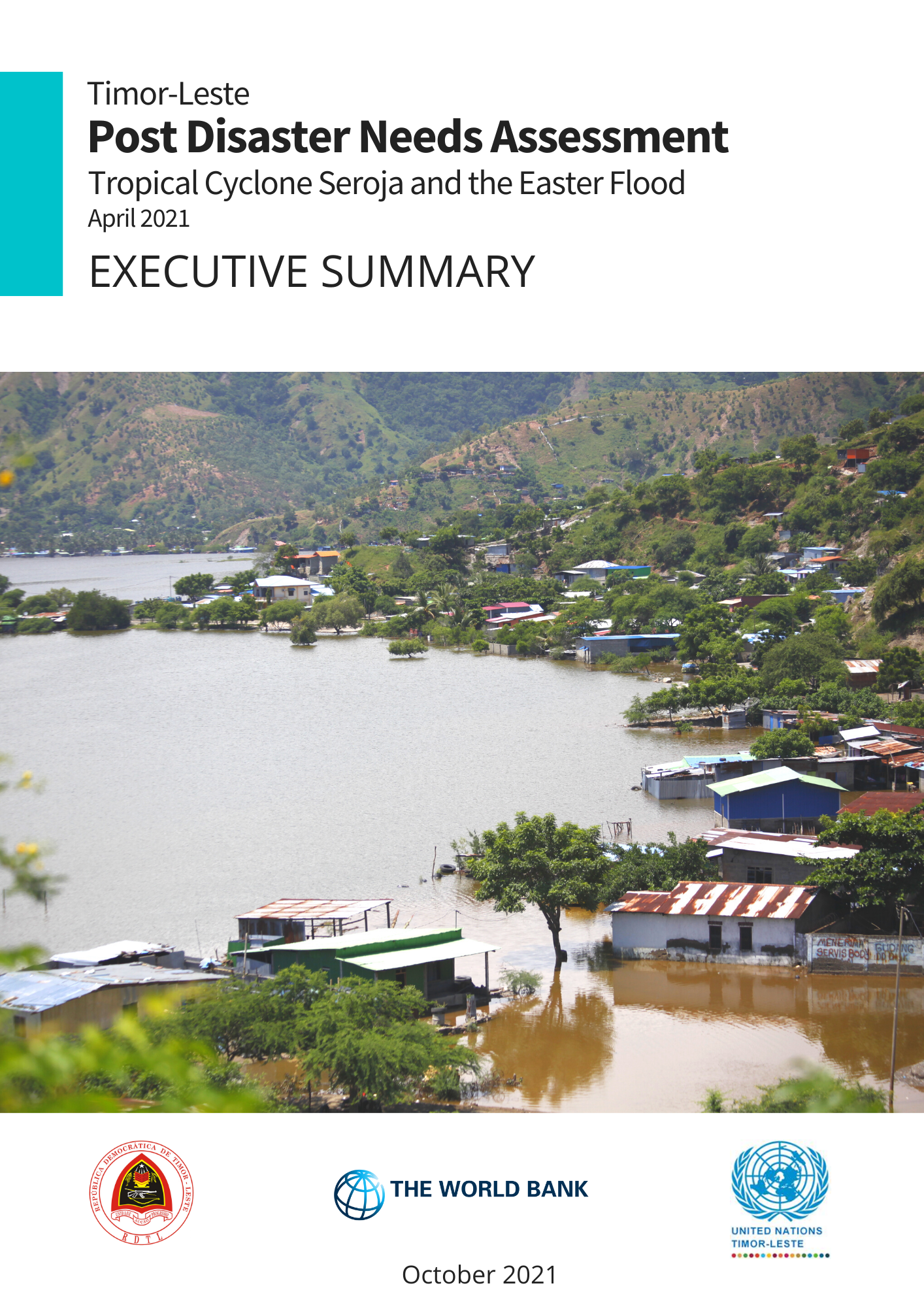
Coordinated the Post Disaster Needs Assessment in Timor Leste after Tropical Cyclone Seroja, estimating about US$300 million in damage and losses.
Presented an analysis of how post-earthquake reconstruction policies enabled the poor and vulnerable in Nepal to rebuild their houses.
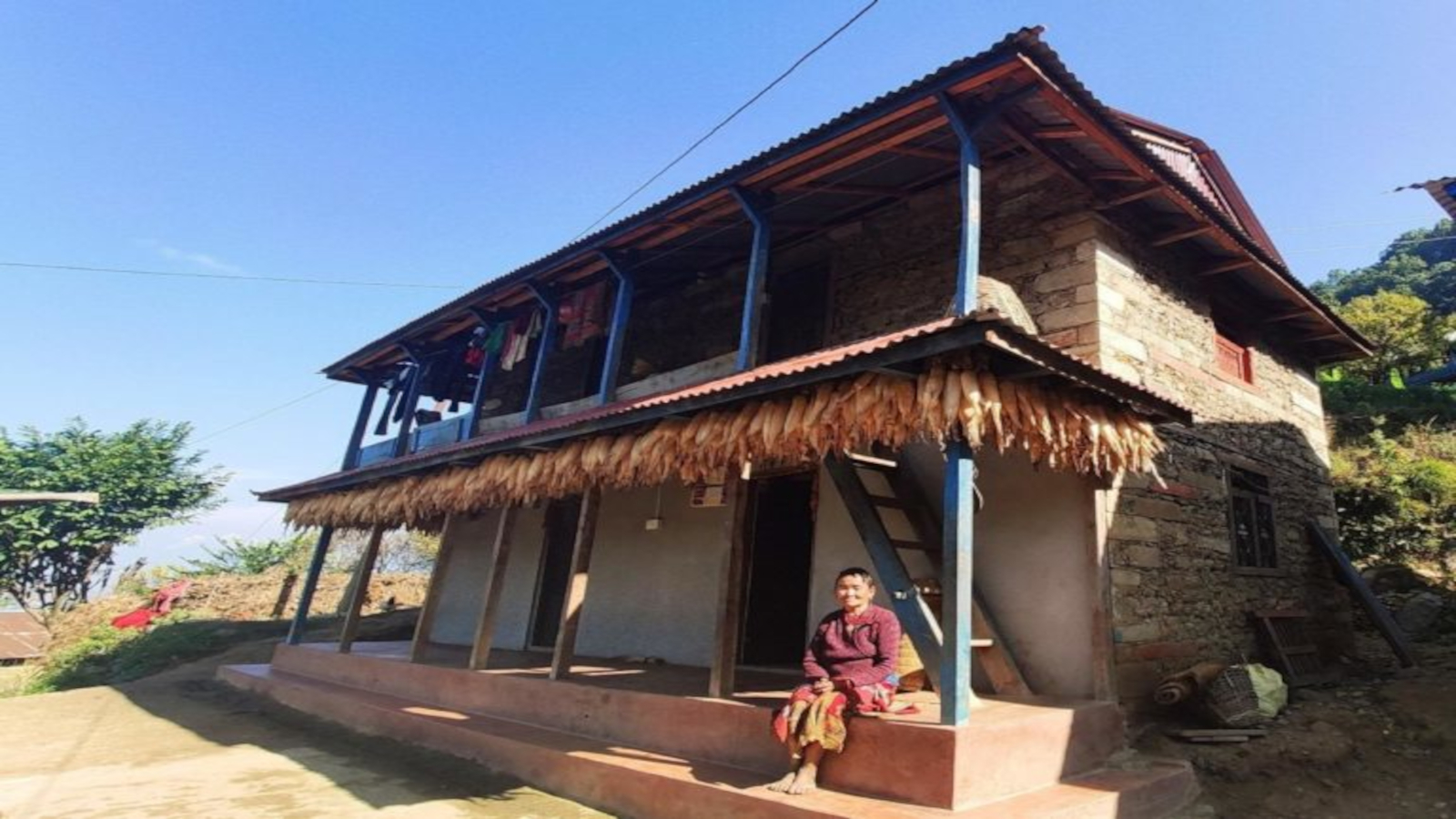
Provided technical and policy support to Nepal's owner-driven reconstruction following the 2015 earthquake.
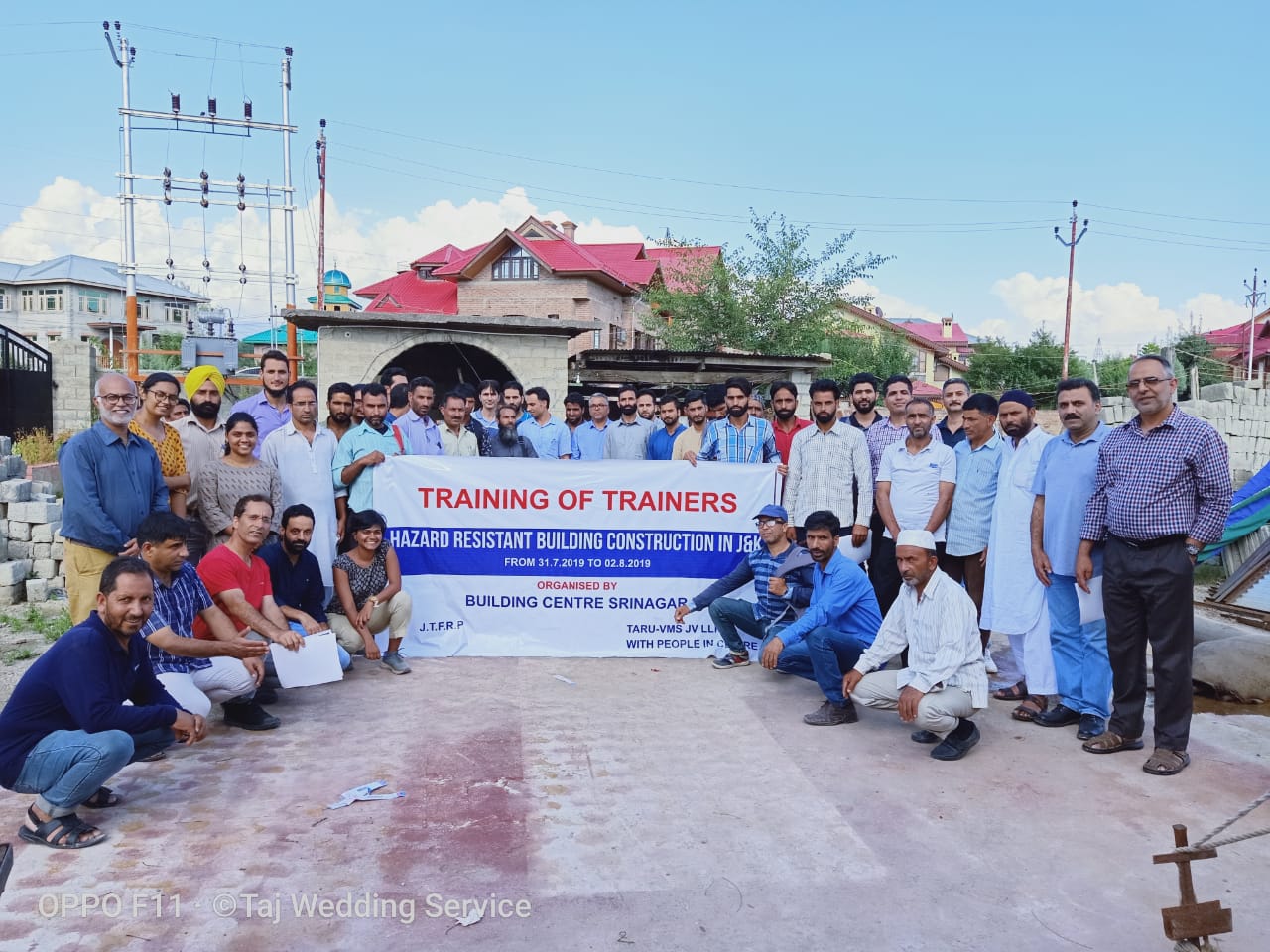
Prepared trainer curricula and mason handbooks for hazard-resistant construction under the Jammu Tawi Flood Recovery Project.
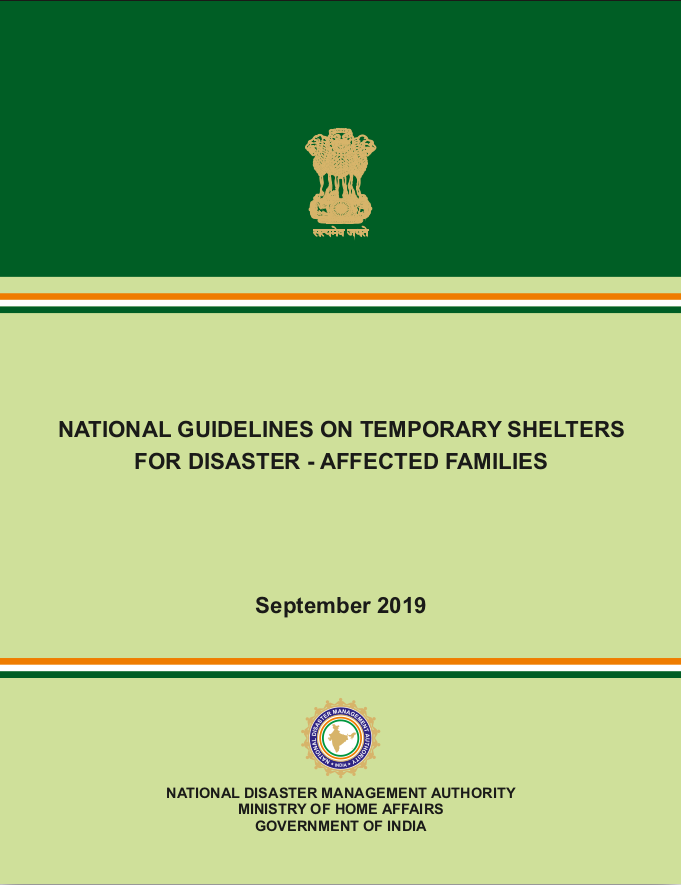
Prepared the National Guidelines on Interim Shelters for Disaster Affected Families for NDMA, released in September 2019.
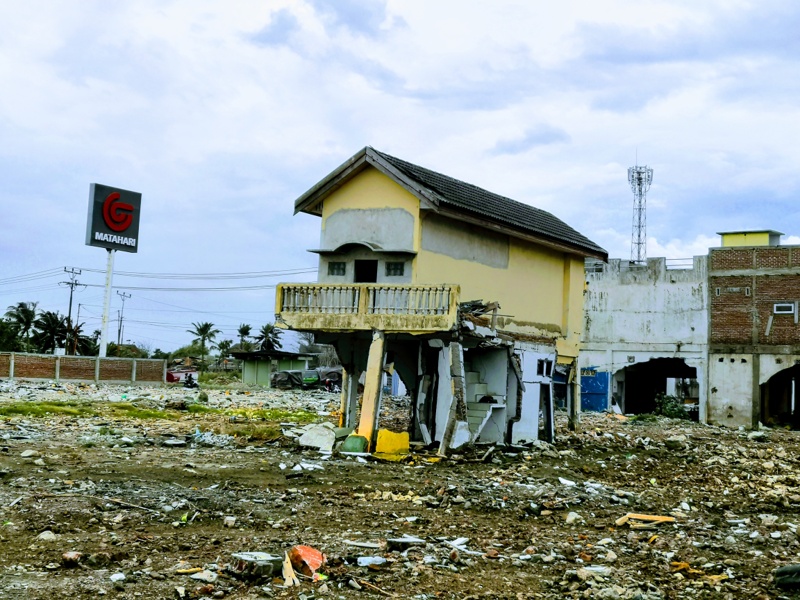
Supported the Post Disaster Needs Assessment after the 2018 Palu disaster and provided inputs on housing and community infrastructure reconstruction in Central Sulawesi.
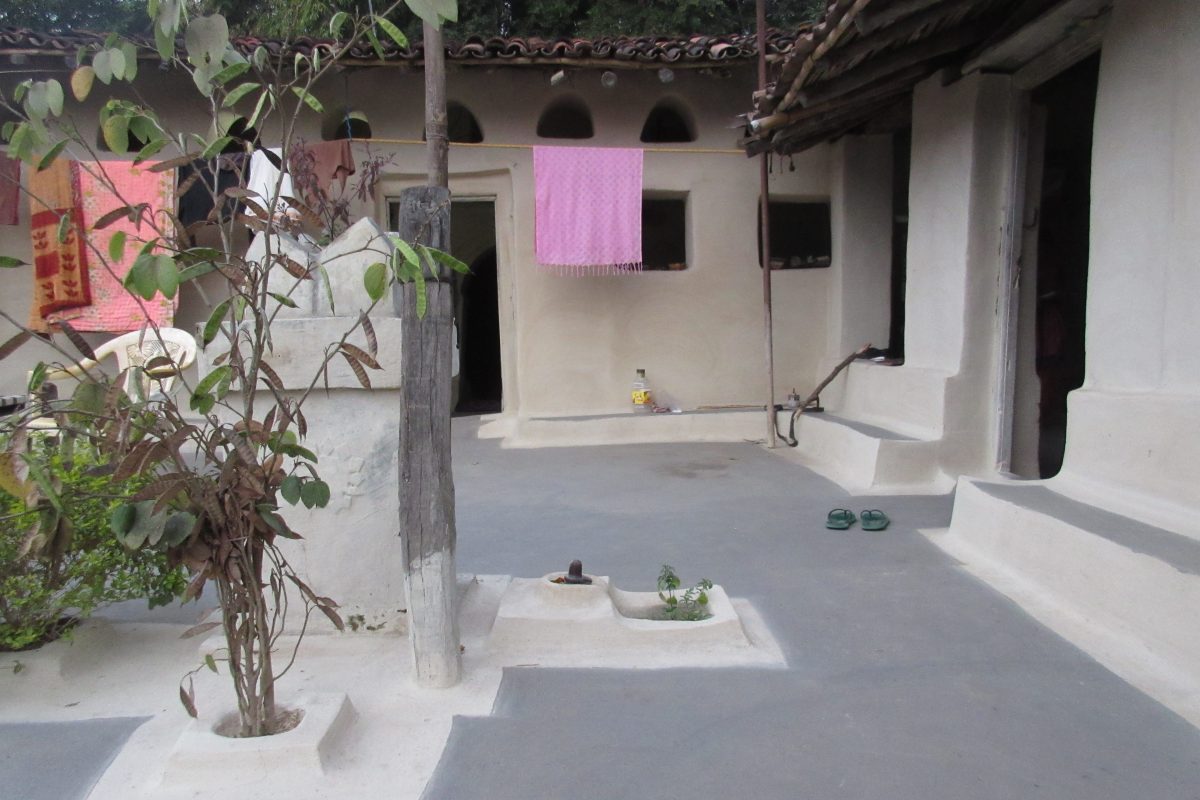
Developed appropriate technical options for social housing under PMAY for rural Jharkhand, Chhattisgarh and West Bengal, in collaboration with UNDP, Hunnarshala and BuildAur.
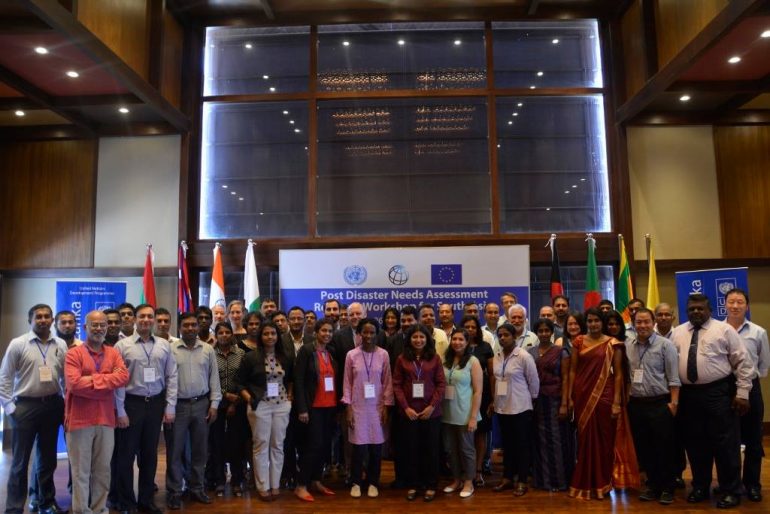
Served as a trainer at the UNDP and UN-ESCAP SAARC regional training on Post Disaster Needs Assessment, leading the housing sector.
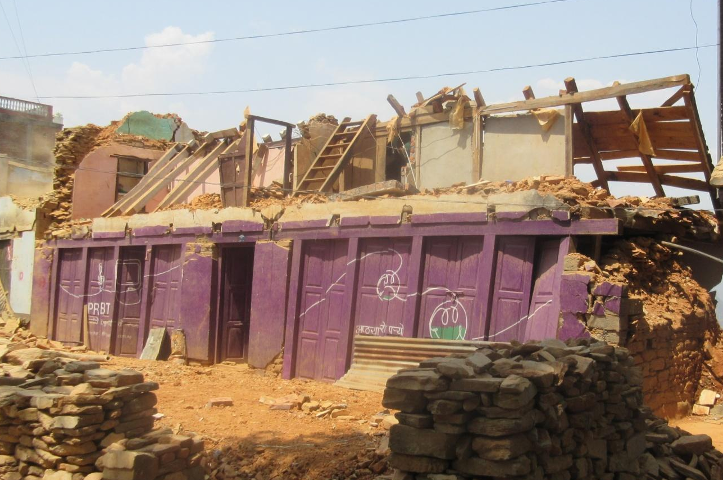
Provided technical advisory support to UNDP Nepal and the National Reconstruction Authority for owner-driven reconstruction after the 2015 earthquake.
Contributed to the Post Disaster Needs Assessment after the 2015 Nepal earthquake, assessing housing and community infrastructure recovery needs.
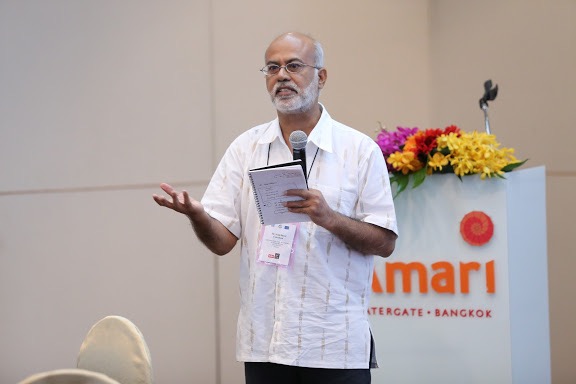
Facilitated a UNDP and ADPC regional training workshop on Post Disaster Needs Assessment for ASEAN and Pacific countries in Bangkok.
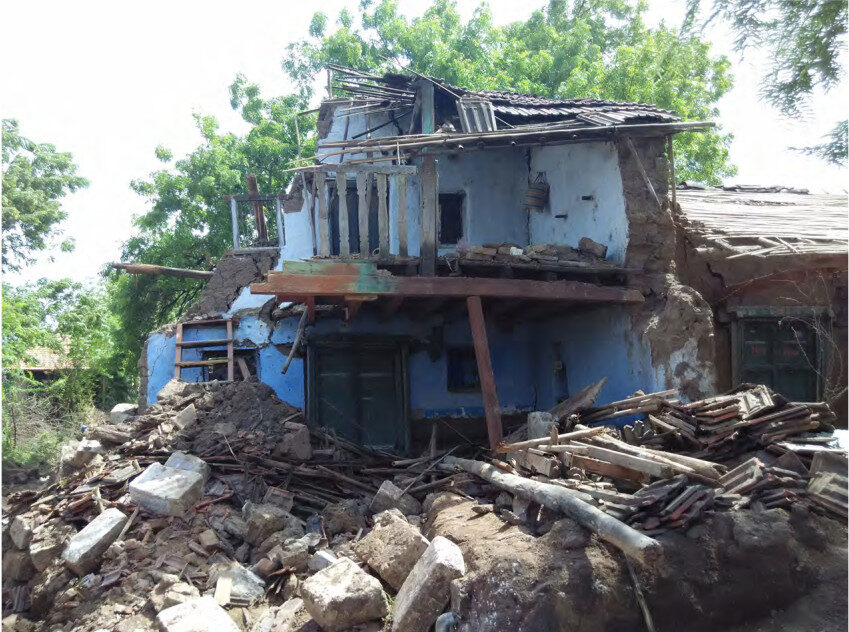
Undertook a preliminary study of the 2015 flash floods in Saurashtra to understand flooding patterns and impacts on communities.
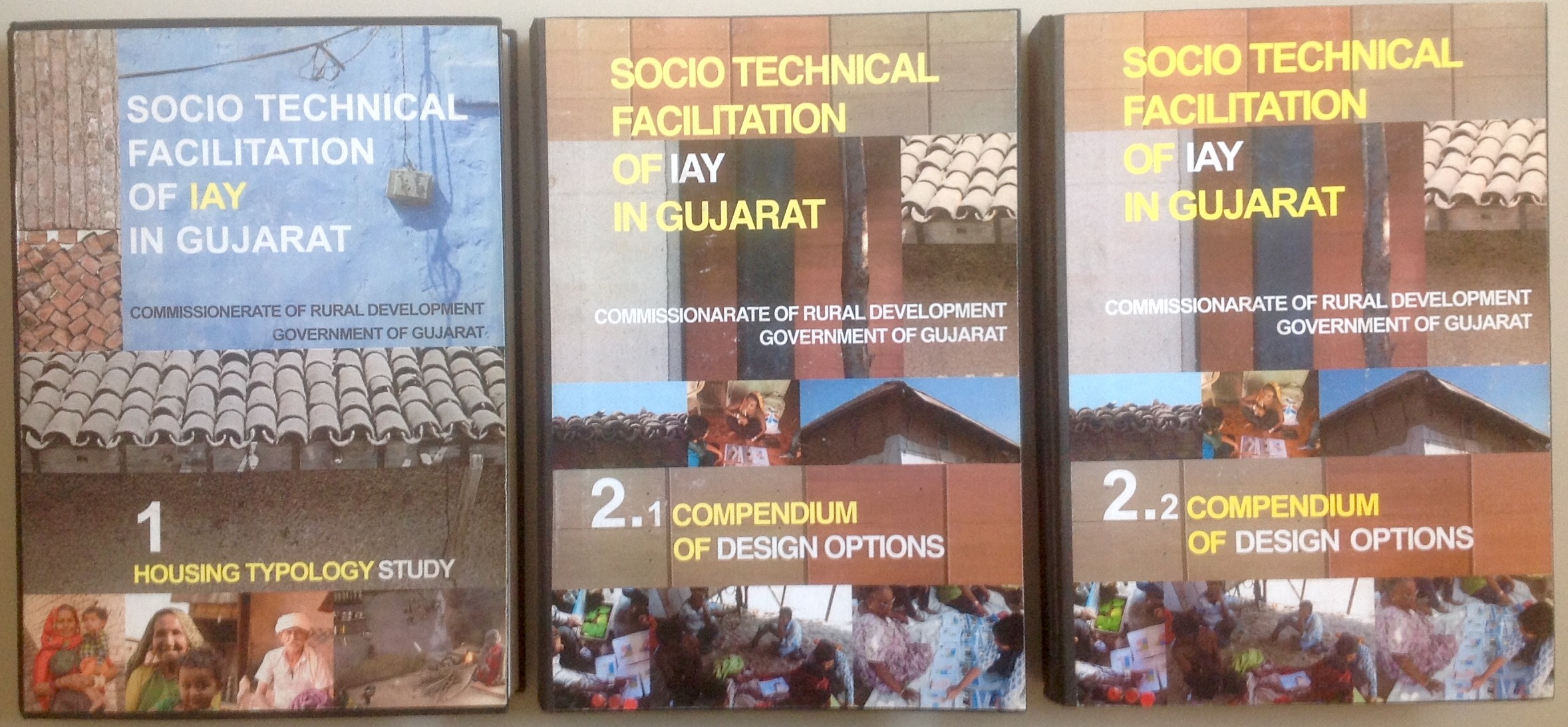
Collaborated with the Government of Gujarat, Hunnarshala and BuildAur on socio-technical facilitation of rural housing, producing a Compendium of Design Options for owner-driven construction.
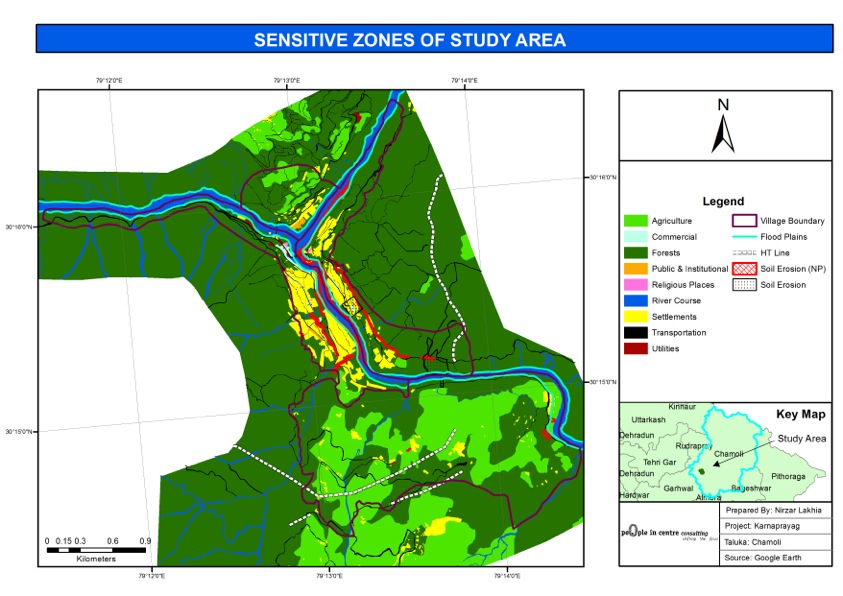
Prepared GIS-based maps for Karnaprayag Municipality to support disaster preparedness and development planning after the Kedarnath flash floods.
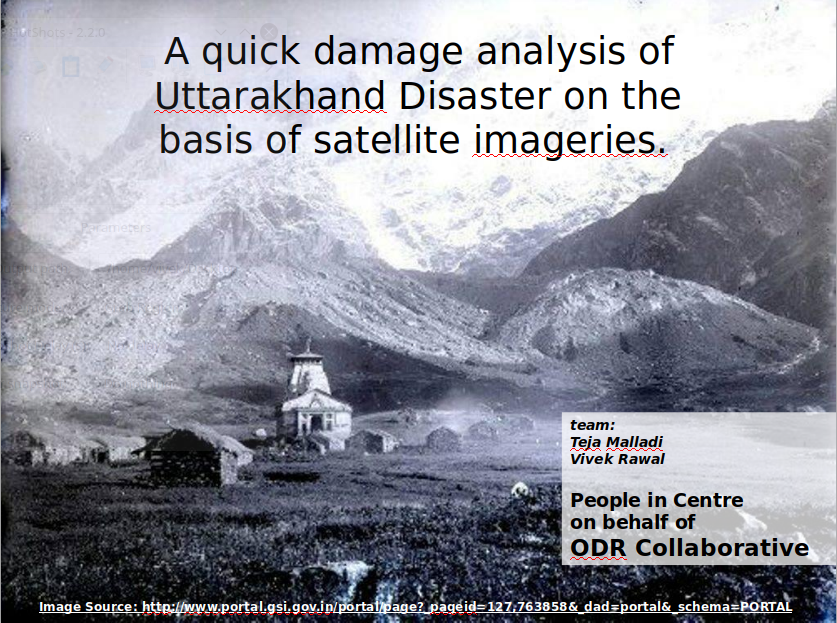
Prepared a rapid damage assessment of the Uttarakhand disaster using satellite imageries, with a focus on ecological principles for planning and reconstruction.
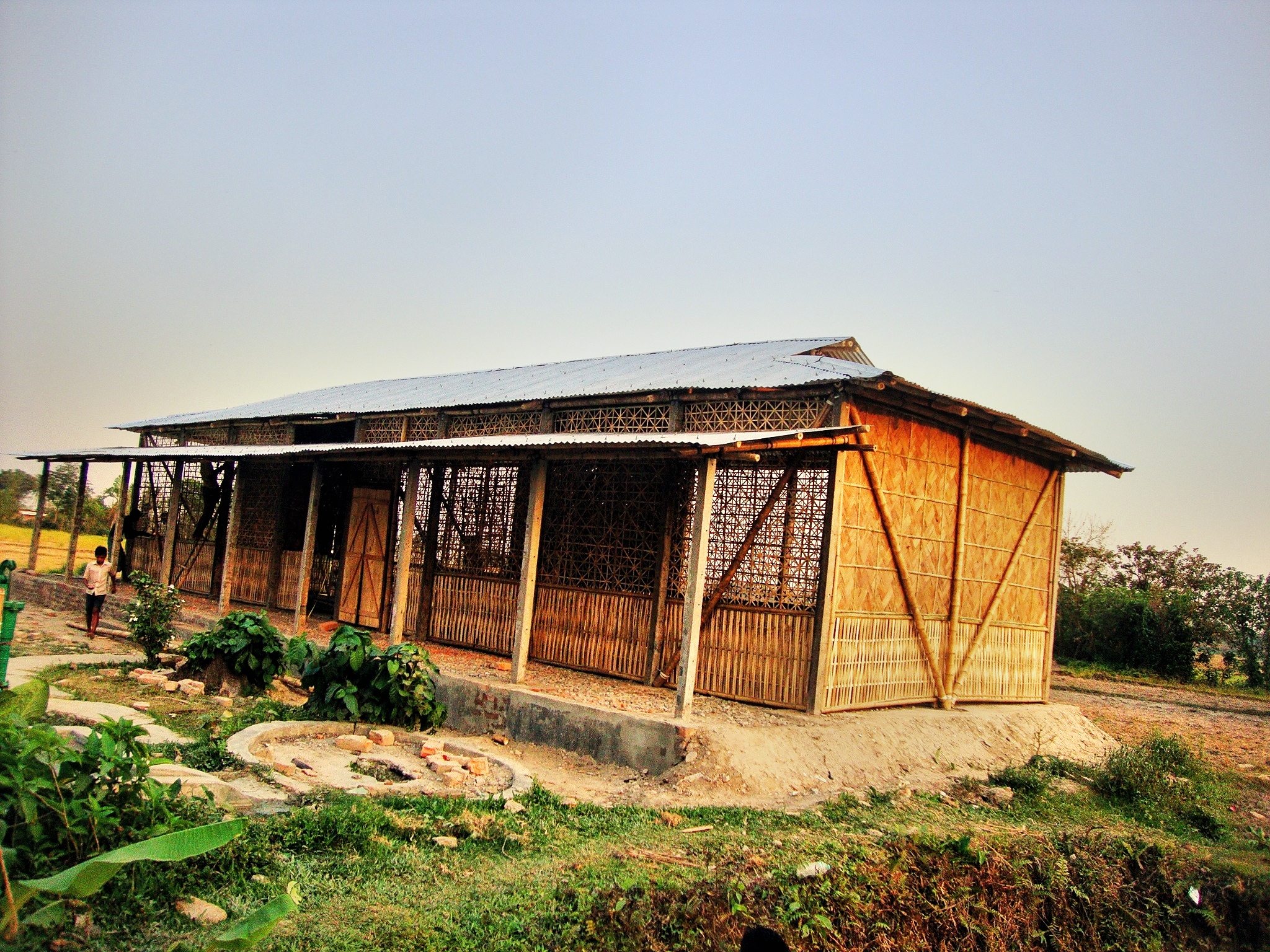
Collaborated with UNNATI to help communities reconstruct six schools destroyed in the 2012 ethnic violence in Kokrajhar, Assam.
Designed and conducted a two-week training course on stabilised rammed earth construction in Bhuj with Hunnarshala.
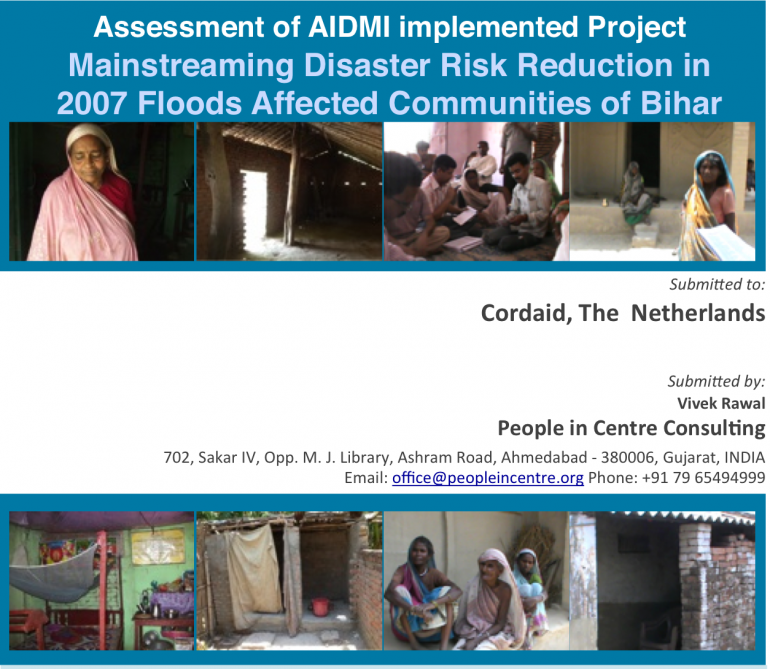
Undertook the project-end review of a Cordaid-funded community-managed disaster risk reduction programme in the 2007 flood-affected communities of Bihar.
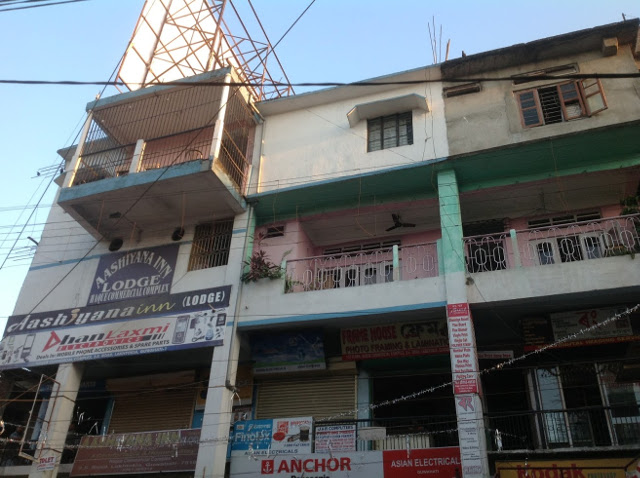
Organised an earthquake vulnerability walk through Pan Bazaar, Guwahati, to expose participants to seismic risks from poor design and construction.
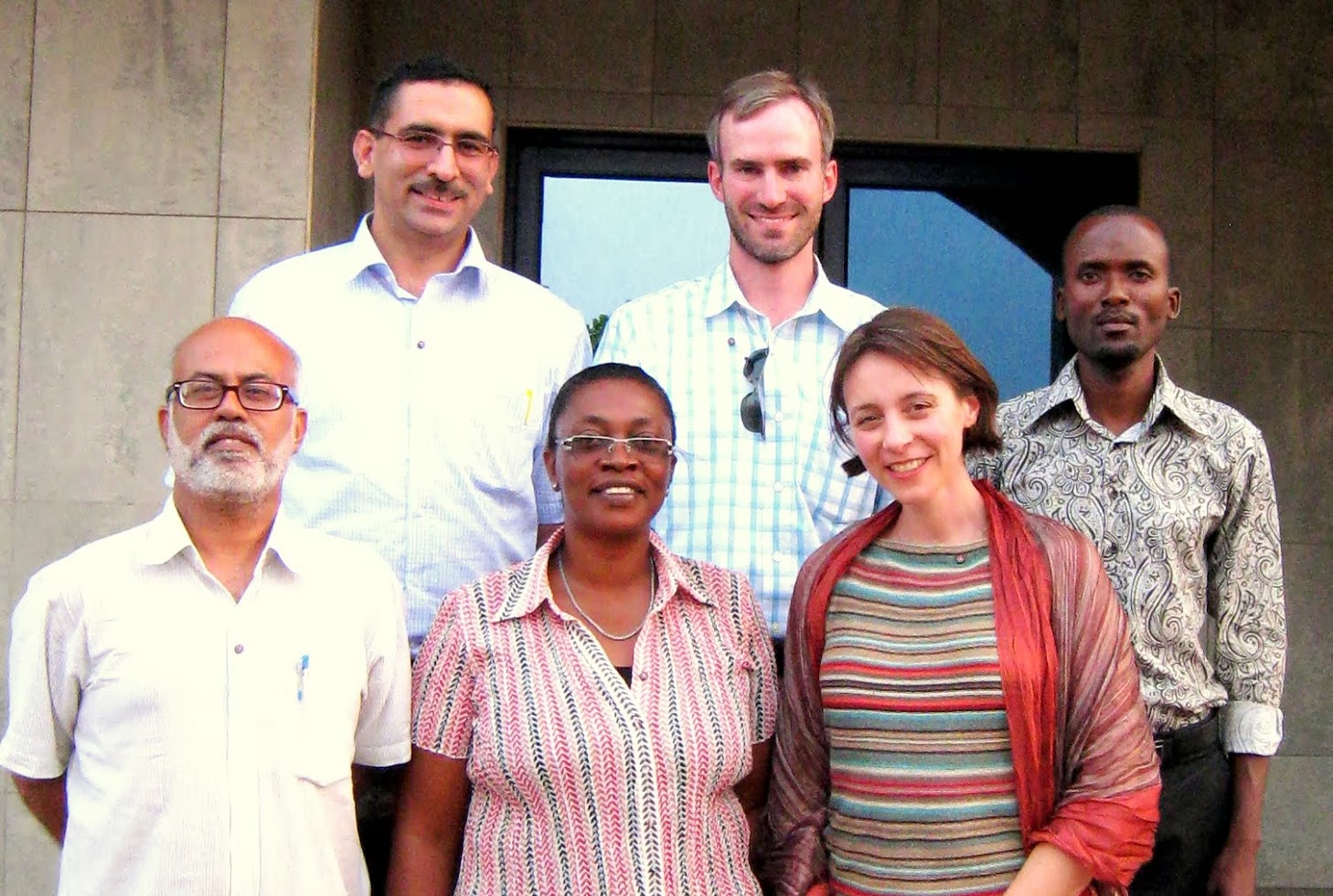
Vivek Rawal was named an EERI-Housner Fellow for 2012, joining an intensive two-year mentoring programme on earthquake safety.
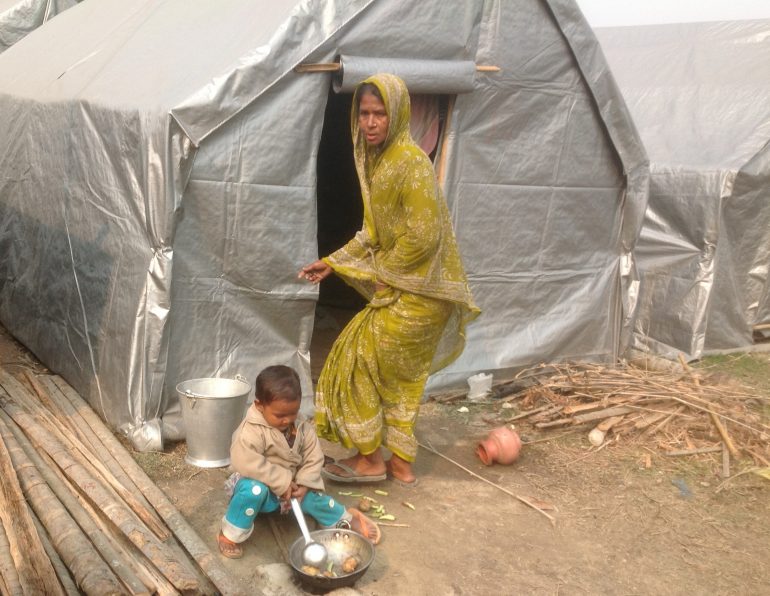
Developed design and implementation guidelines for community-based emergency makeshift shelters for over 1,200 families returning after ethnic violence in Kokrajhar, Assam.
Supported UNNATI's campaign to improve seismic resistance of existing houses in Kutch with a set of 20 posters.
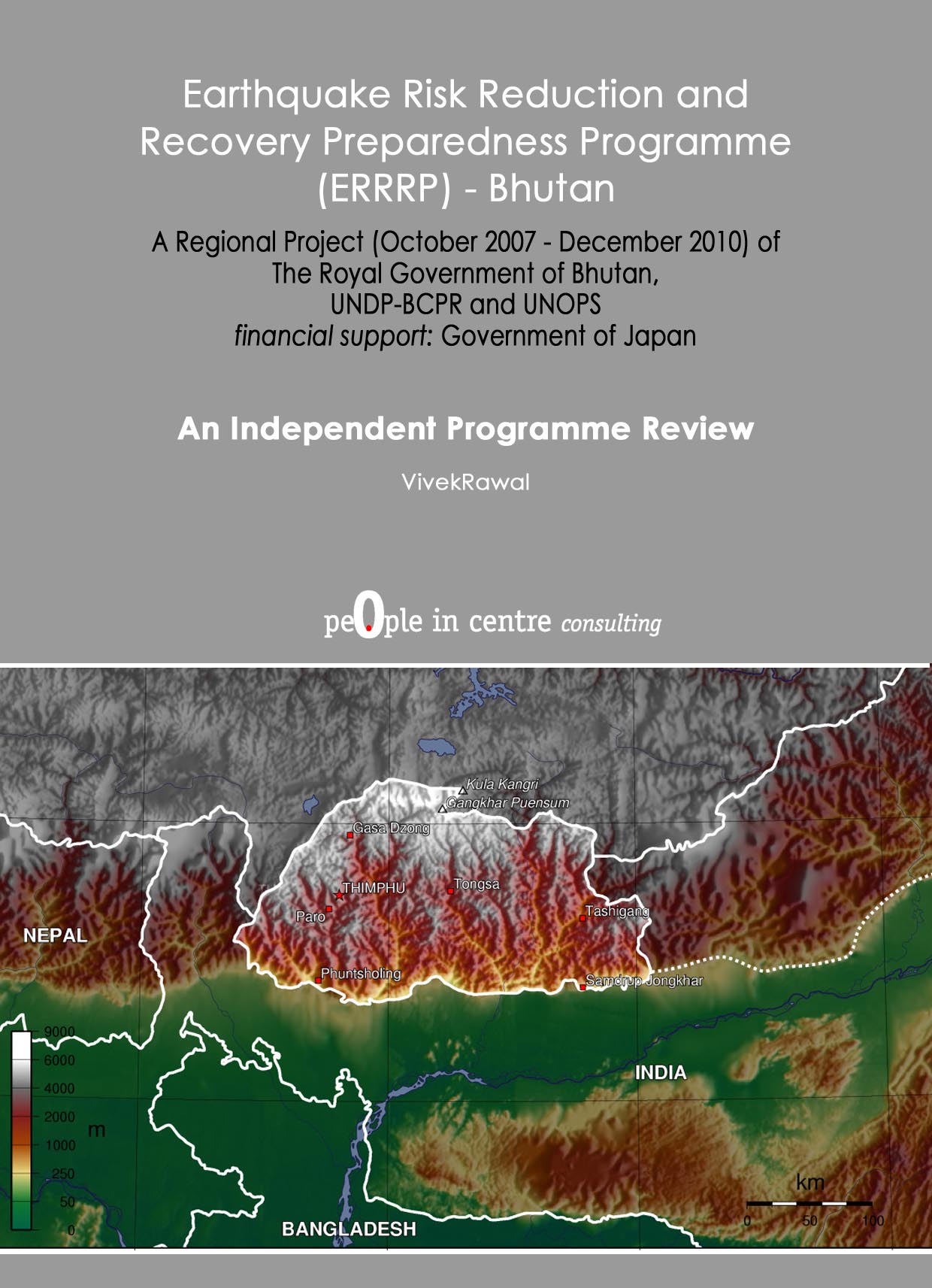
Reviewed the Earthquake Risk Reduction and Recovery Preparedness (ERRRP) project in Bhutan and Nepal.
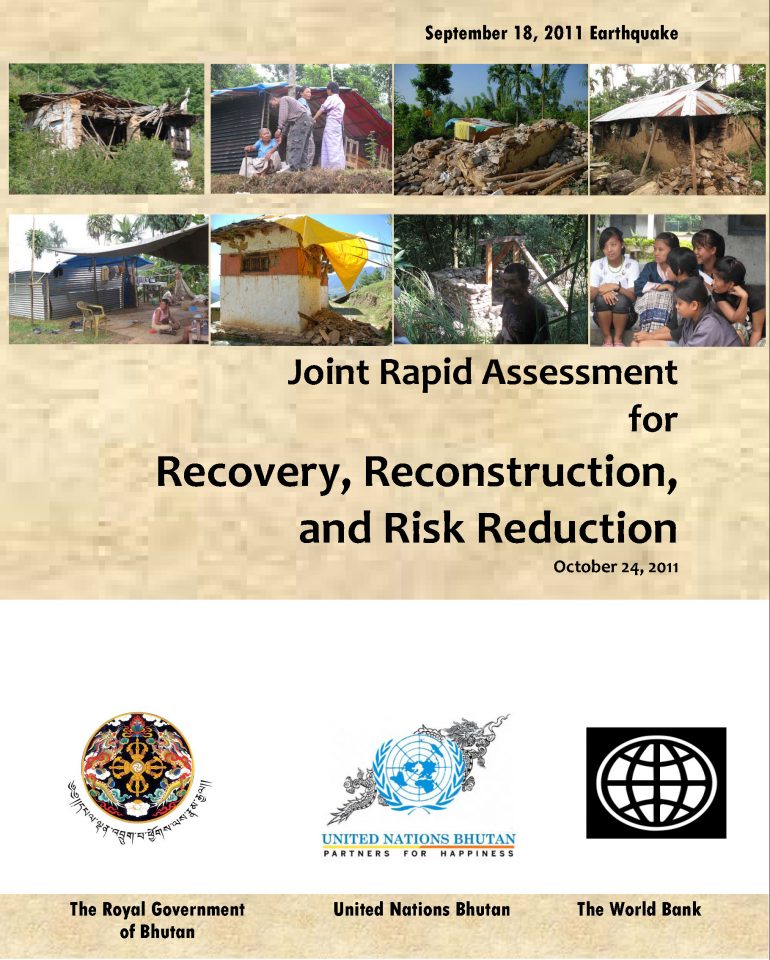
Led the joint rapid assessment mission to assess damage and recovery needs in Bhutan after the September 2011 Sikkim earthquake.
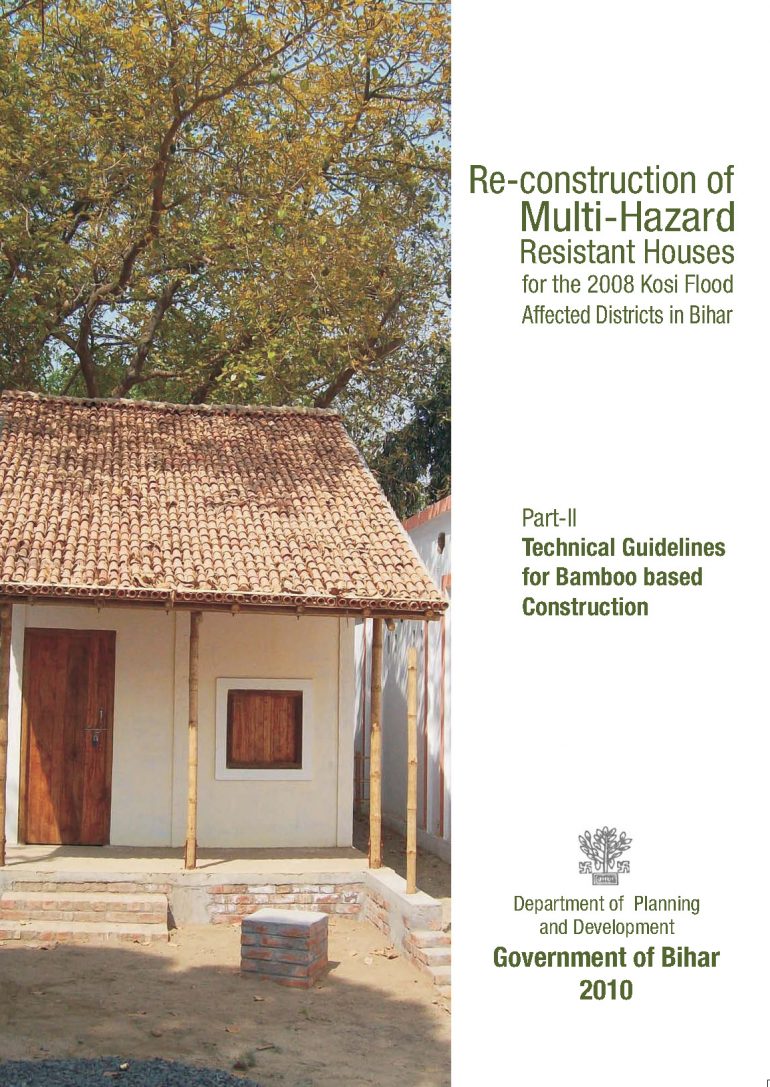
Represented the ODR Collaborative on Bihar's Technical Committee to develop approved guidelines for bamboo-based house construction in the Kosi region.
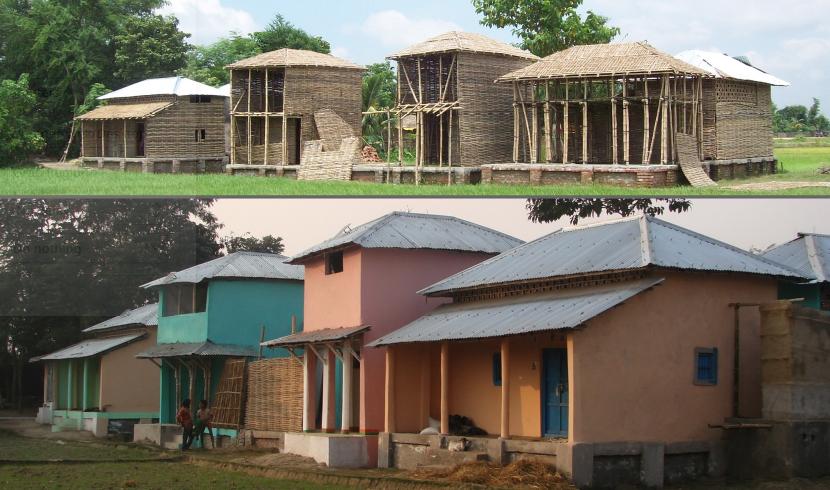
Supported the Government of Bihar's Kosi flood rehabilitation through policy support, technical guidelines and owner-driven reconstruction assistance.
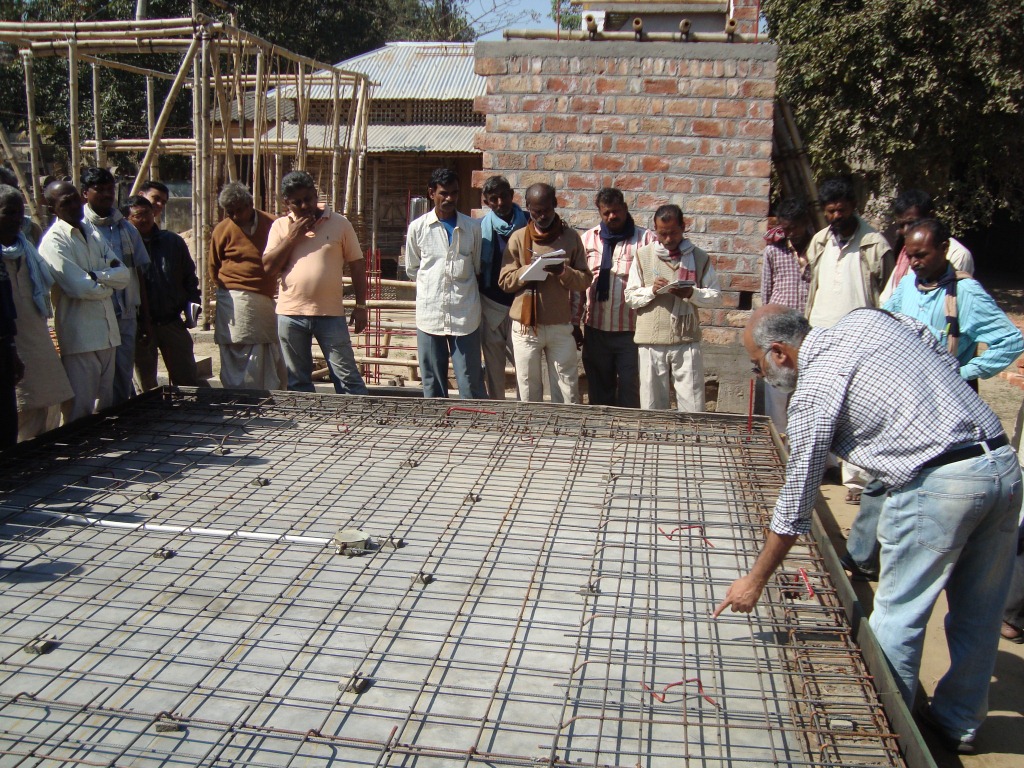
Strengthened the capacities of over 300 supervisor artisans and engineers to guide more than 30,000 house owners in safe reconstruction after the Kosi floods.
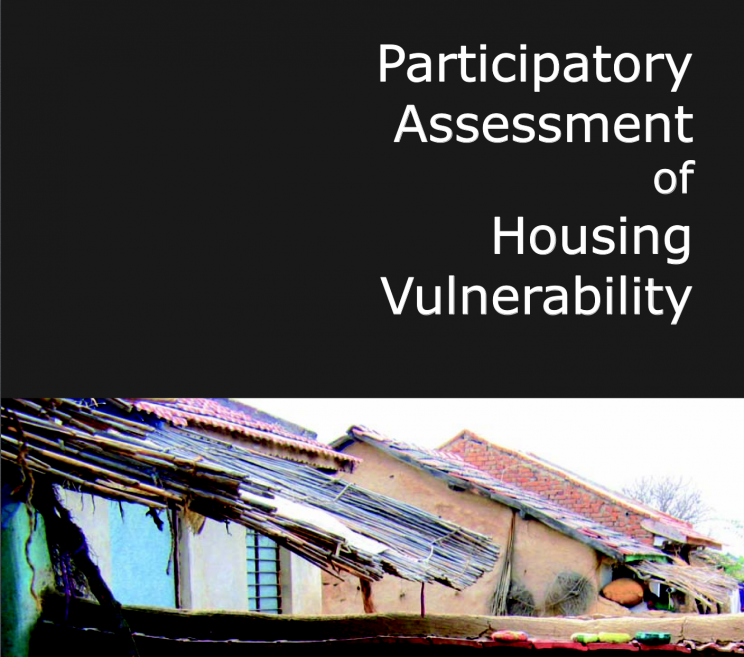
Conducted a four-day training programme on housing stock vulnerability assessment for non-engineered houses in partnership with UNNATI.
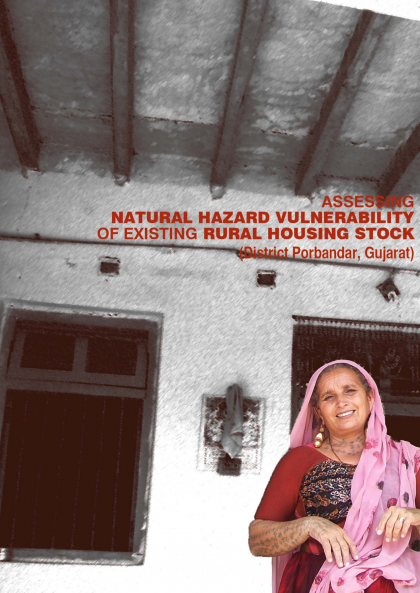
Assessed housing vulnerability in nine coastal villages of Porbandar, Gujarat, advancing a scientific methodology for measuring multi-hazard risk.
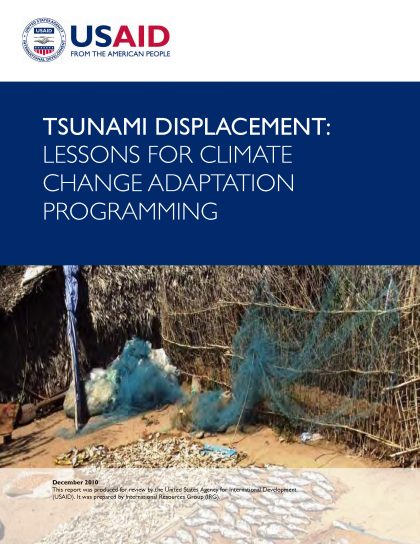
Contributed as shelter expert to a USAID research project drawing learning from tsunami displacement and rehabilitation for climate change adaptation.
Published a bilingual design handbook on building with bamboo for the Kosi flood rehabilitation, as part of the Shelter Group (ODR Collaborative).
Evaluated tsunami projects in India supported by CHF 25 million from Swiss Solidarity and organised a workshop to discuss the findings.
Monitored CIDA-supported tsunami reconstruction projects in India from 2006 to 2009, producing five periodic assessment reports.
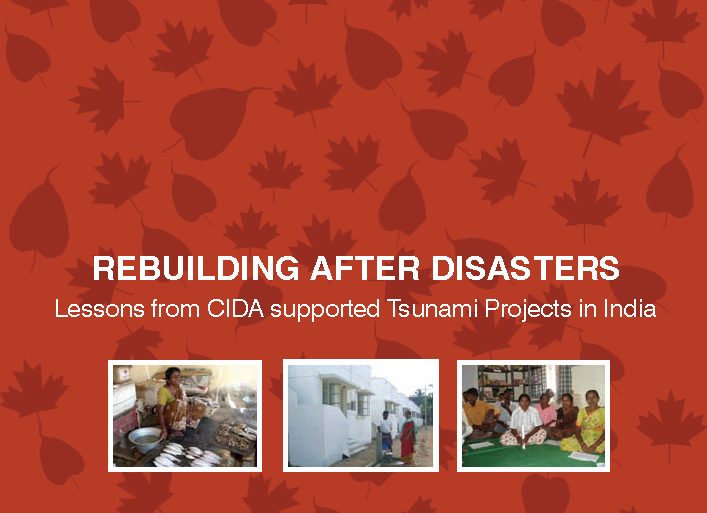
Co-authored a booklet distilling lessons from CIDA-supported tsunami projects in India, with wider application to disaster rehabilitation.
Organised a workshop with the Government of Bihar that shaped the owner-driven reconstruction approach for Kosi flood rehabilitation.
Assessed post-tsunami housing reconstruction in the Andaman & Nicobar Islands from the perspective of local communities.
Assessed a HIVOS-supported post-tsunami rehabilitation project implemented by SIFFS, using the Hyogo Framework for Action to draw outcome-level learning.
Authored a booklet on intermediate semi-permanent shelters in post-disaster reconstruction, published by UNNATI.
Developed a participatory damage assessment toolkit with UNNATI so that affected communities can be actively involved in post-disaster assessment.
A practical guide to understanding how buildings get damaged in natural disasters and the basic principles of safe construction.
Participated in the Independent Evaluation of the DEC Tsunami Crisis Response as a member of the team evaluating programmes in India.
Coordinated a mid-term assessment of post-tsunami shelter reconstruction in Tamil Nadu mandated by the Government and UNTRS.
Co-authored an article on deepening people's participation in post-disaster reconstruction, drawing on experiences from past disasters in India.
Evaluated the multi-agency tsunami response in India and Sri Lanka for CARE International, Oxfam GB and World Vision International.
Prepared a set of four posters on disaster-safe construction while working with UNNATI.
Co-authored a critical review identifying lessons from the tsunami response needed to make disaster response more effective and people-centric.
Shared immediate ideas for habitat reconstruction based on reconnaissance visits to tsunami-hit areas of South India.
Developed a working paper on the issues of the poor in post-earthquake urban planning in Bhachau.
Co-authored a critical review of the Gujarat earthquake reconstruction policy published in Economic and Political Weekly.