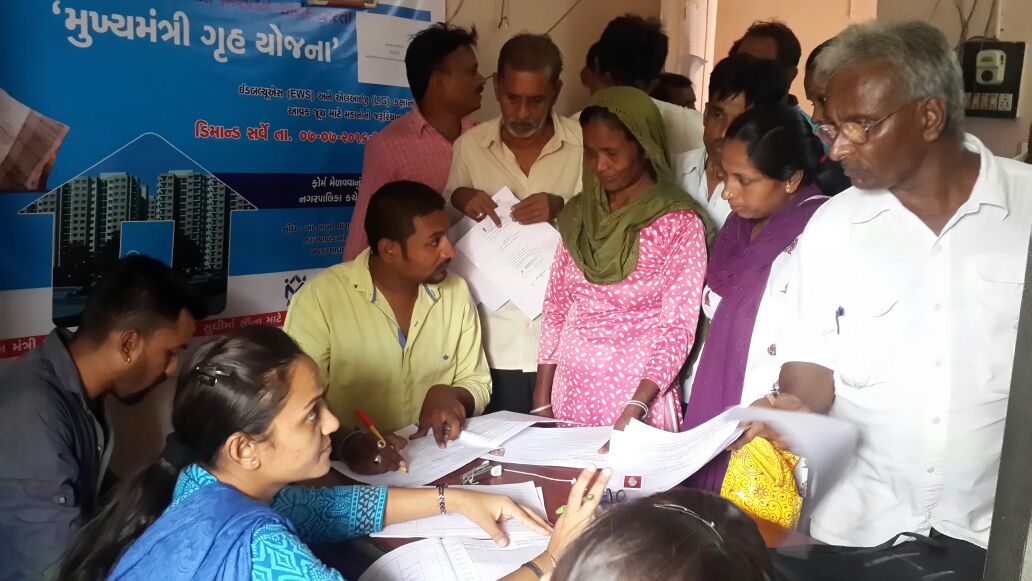
Housing for All – Demand Assessment in Towns of Gujarat
Undertook housing demand surveys and site identification in Dehgam, Manasa and Chaklasi under the Housing for All programme.
Undertook housing demand surveys and site identification in Dehgam, Manasa and Chaklasi under the Housing for All programme.
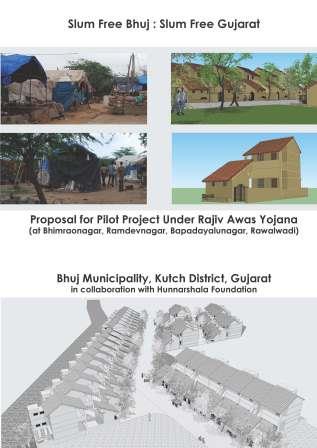
Provided technical support for a Slum-Free City Plan of Action in Bhuj and a detailed project report for two pilot settlements.
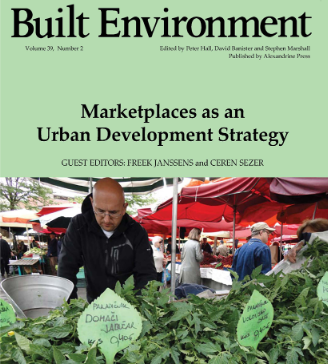
Proposed a schematic design showing how inclusive planning can accommodate natural markets instead of removing them.
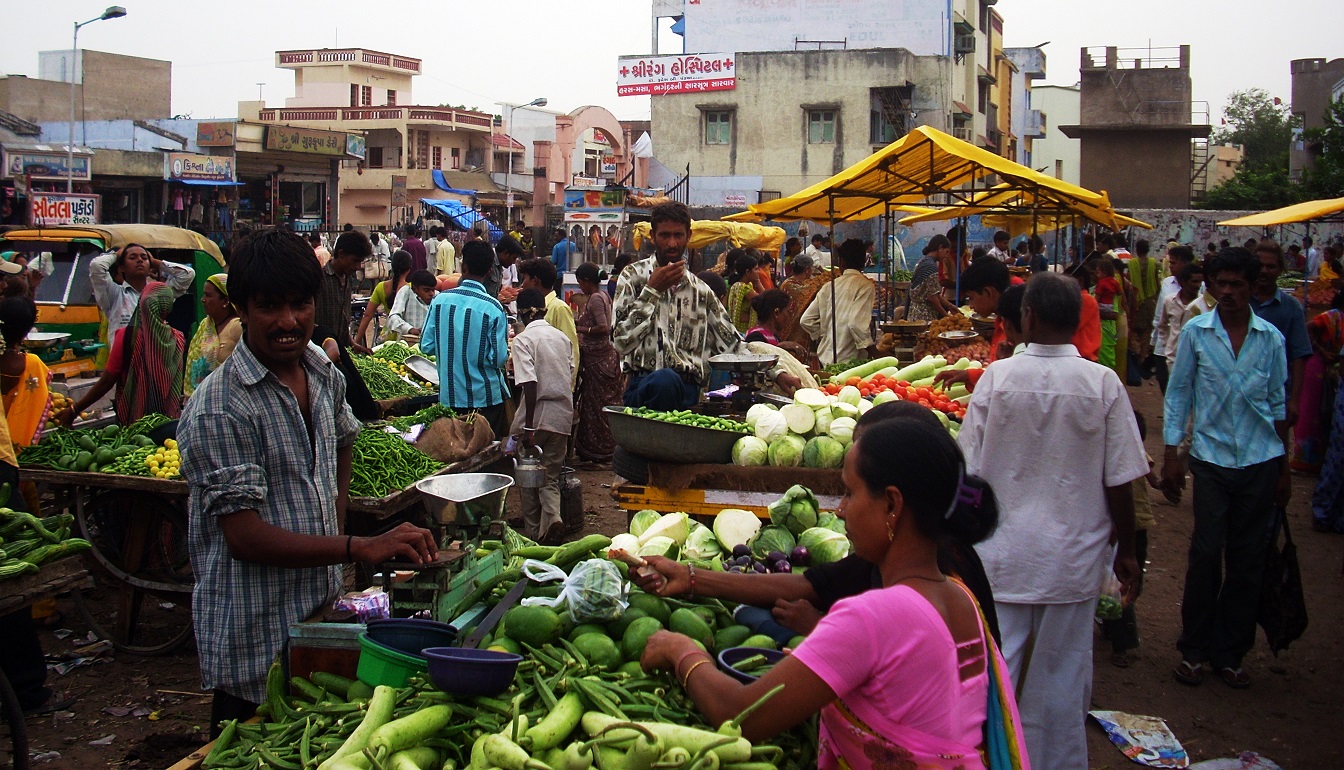
Analysed Ahmedabad's proposed Street Vendors' Scheme for SEWA, showing its red-amber-green zoning would push vendors off the wider streets where vending thrives.
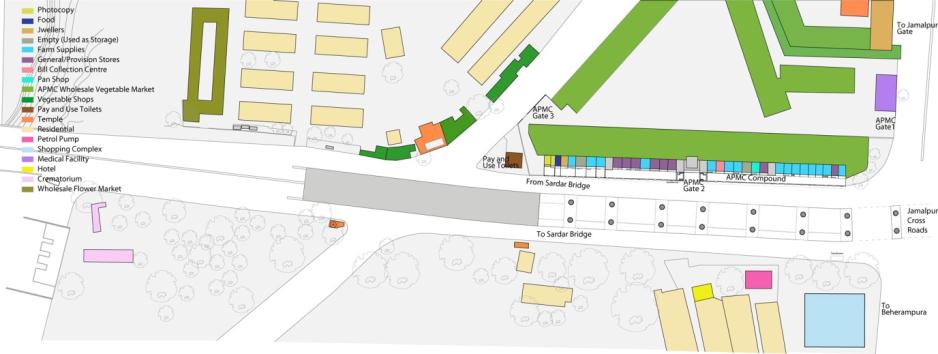
Worked with SEWA and street vendors to develop an organised vending market under the new Jamalpur flyover after vendors were evicted near the vegetable market.
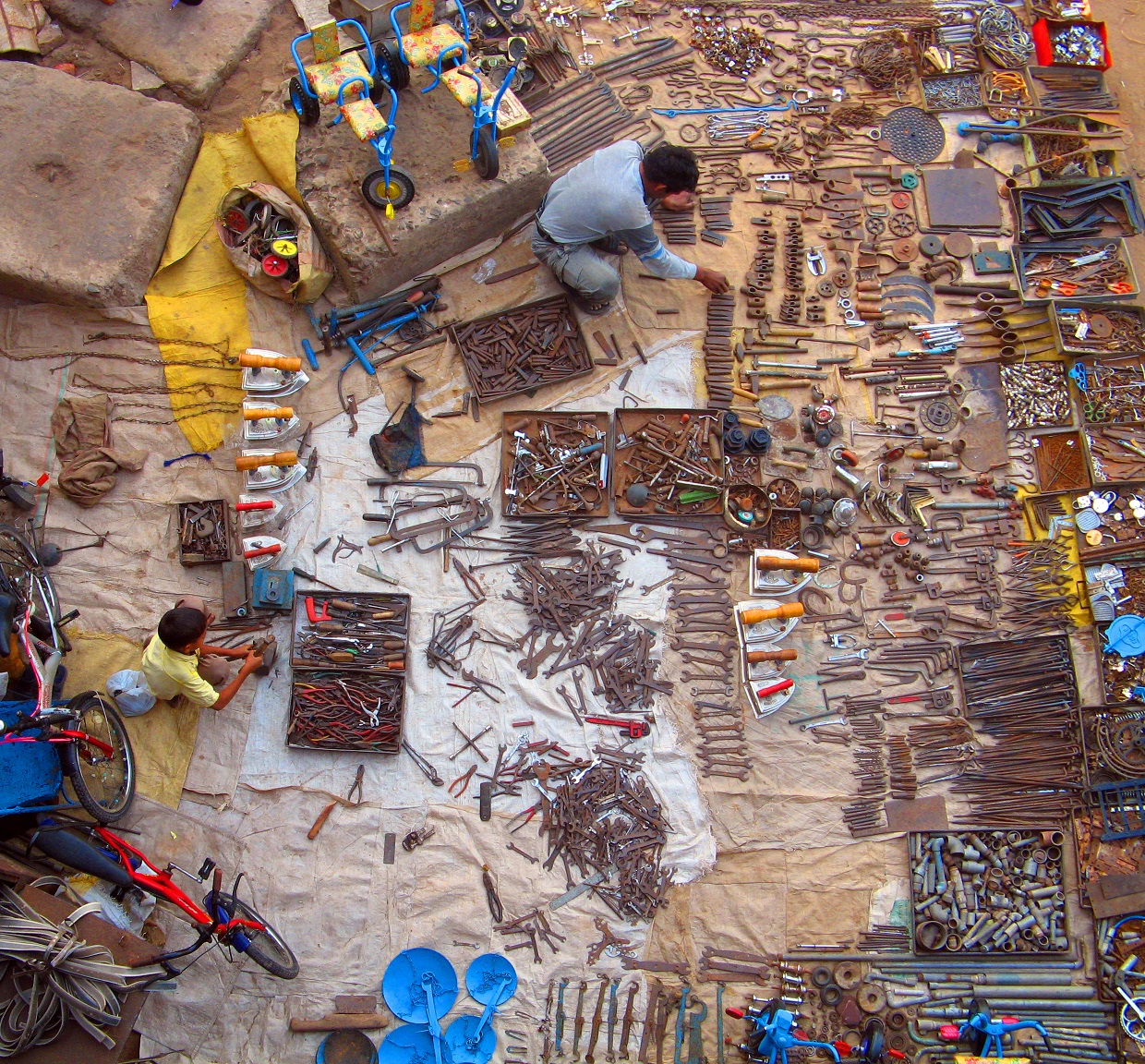
Supported SEWA's legal case for the Street Vending Policy in Ahmedabad, arguing for the legal recognition of street vending in the planning process.
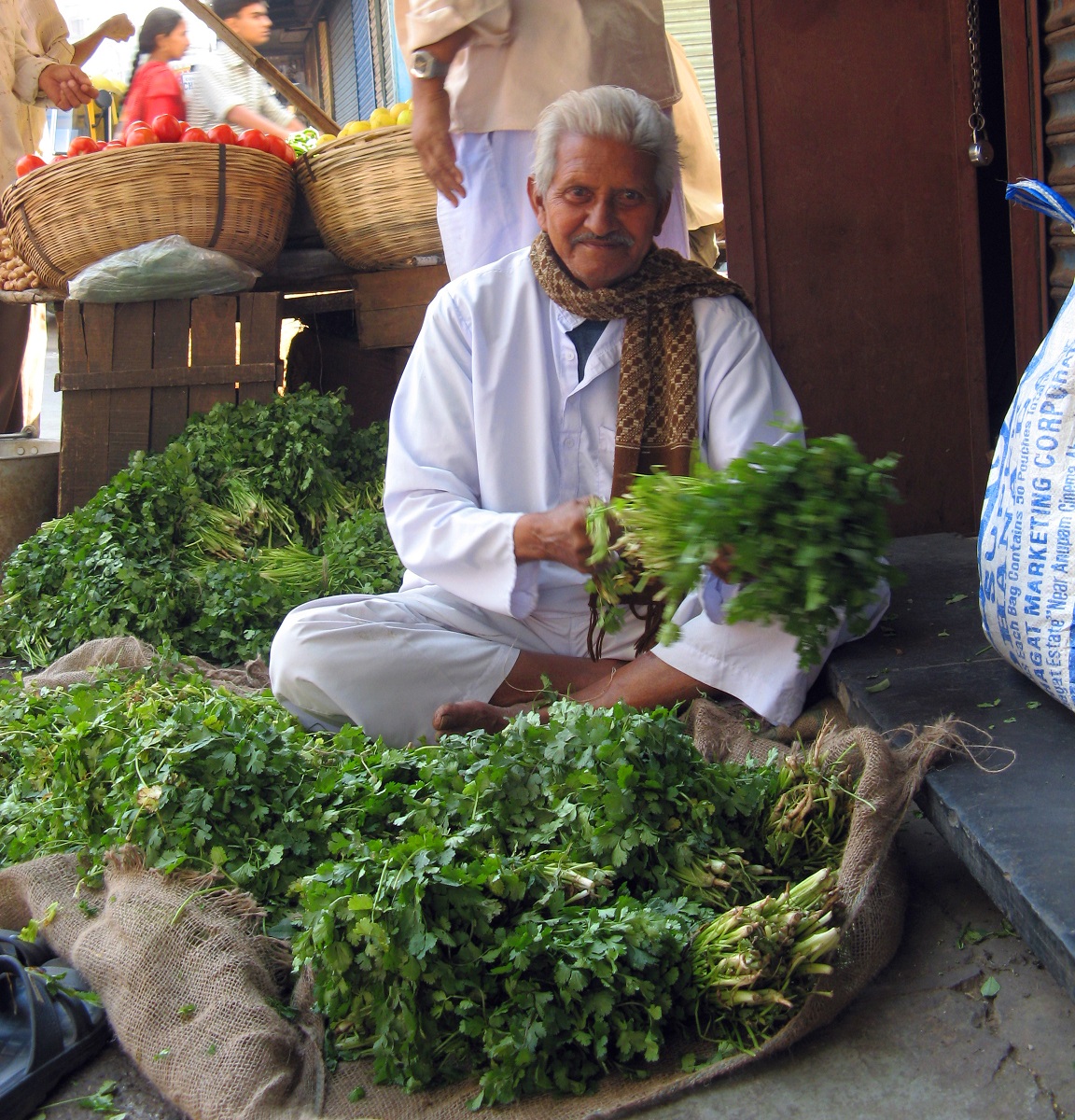
Helped re-organise the vegetable market at Shardaben Hospital, accommodating all vendors in an open space with appropriate infrastructure.
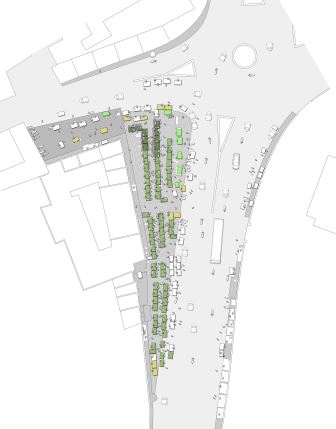
Proposed an alternative plan for better, cleaner and vendor-friendly stalls at the Gomtipur marketplace in Ahmedabad.
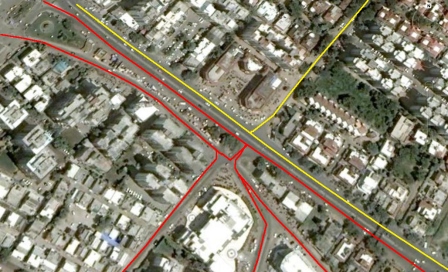
Carried out consultations and area analysis to help street vendors at Mansi, Subhash Chowk and Jivraj markets negotiate with authorities.
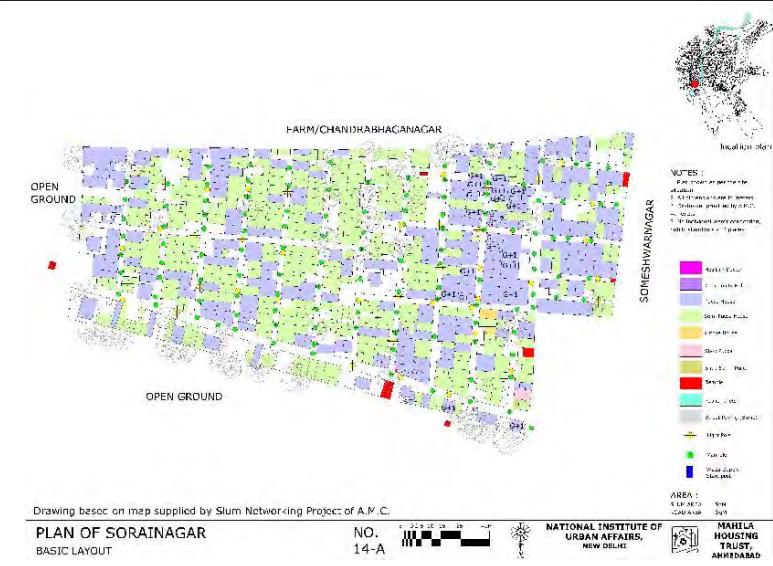
Studied the Sorainagar settlement in Vasna to weigh on-site upgradation against resettlement based on residents' investments.
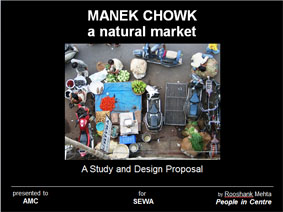
Presented to AMC officials on organising the Manek Chowk marketplace and developing open marketplaces where informal activities can coexist with formal shops.
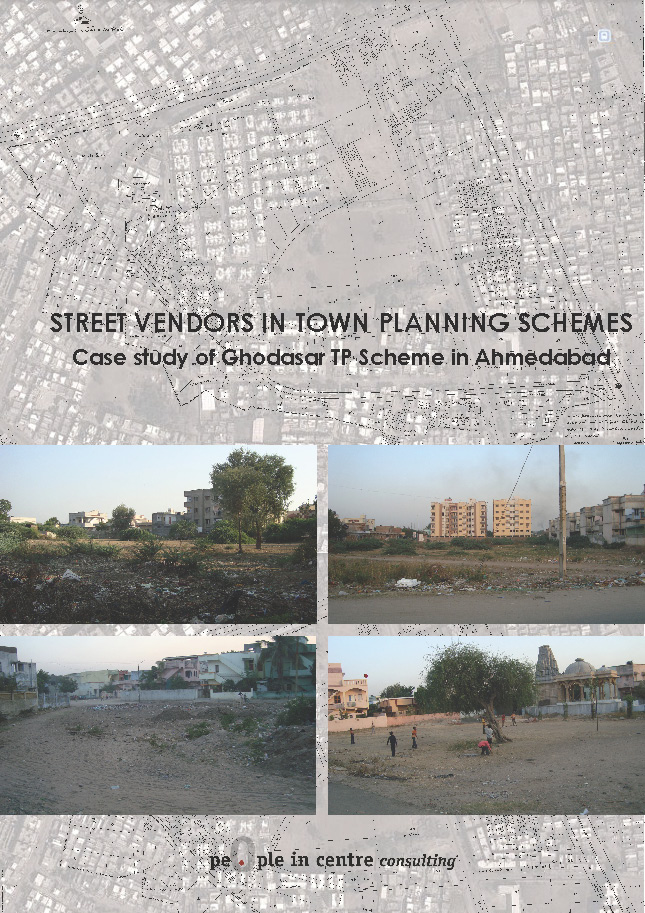
Studied the Ghodasar Town Planning Scheme to show why open marketplaces must be incorporated in planning.
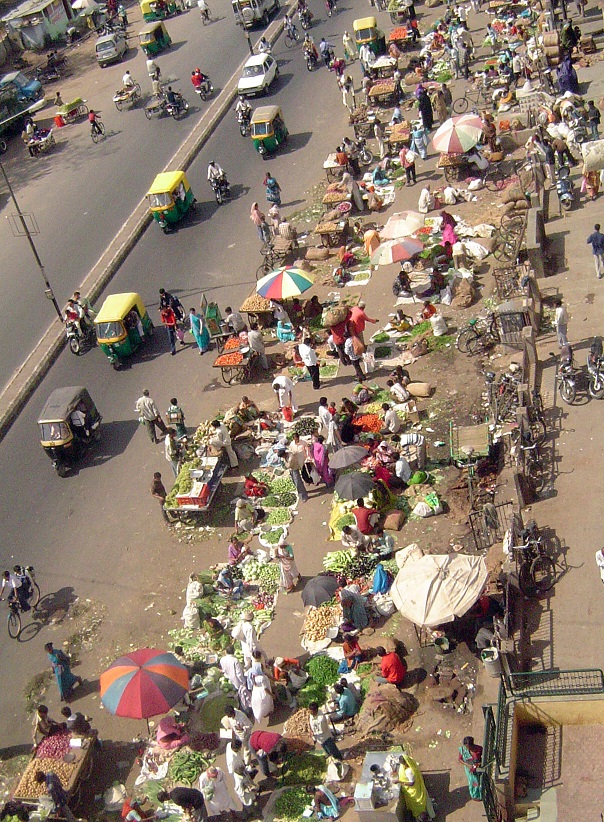
Presented findings on how BRTS affected street vendors' livelihoods and the lack of planning for marketplaces on the route.
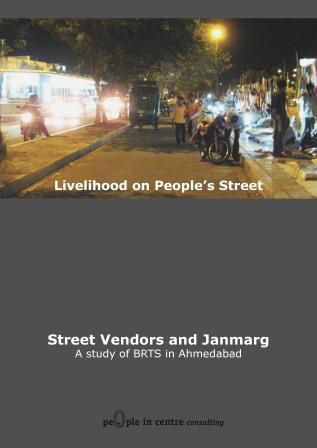
Studied street vending on the BRTS route to examine the impact of development projects on the poor.
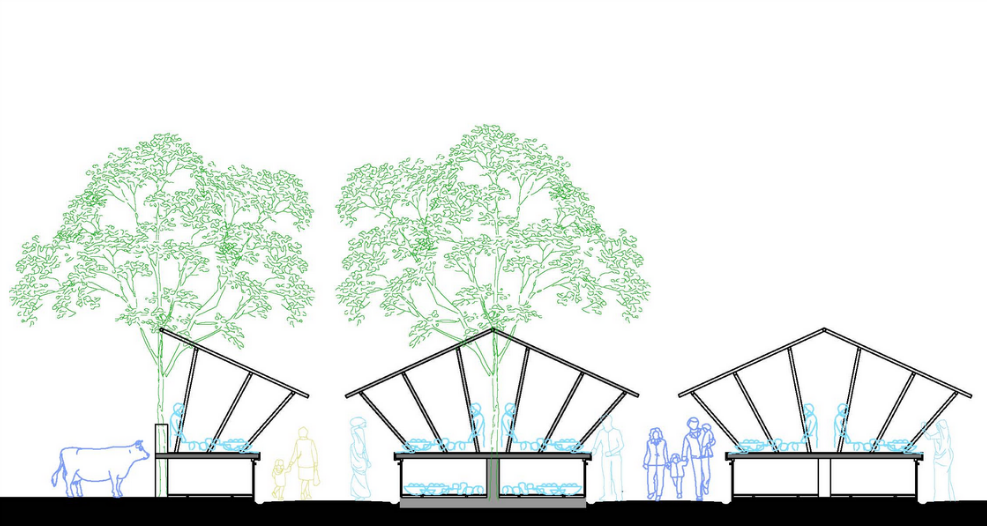
Prepared design proposals for new open marketplaces on AMC-allocated plots so they can serve as livelihood spaces for the poor as the city expands.
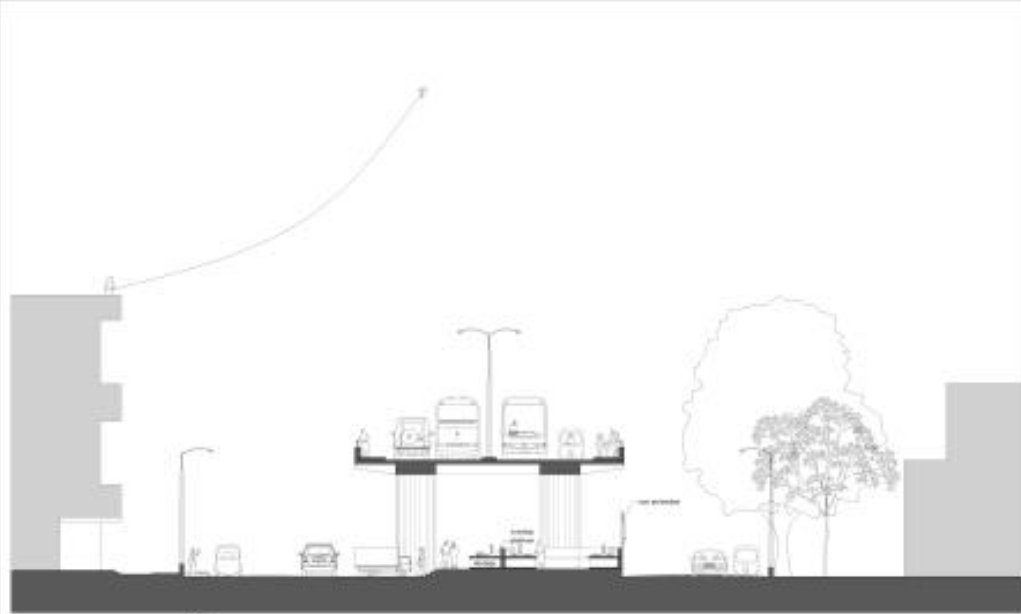
Collaborated with SEWA to redevelop existing marketplaces in Ahmedabad as livelihood-generation spaces that accommodate street vendors.
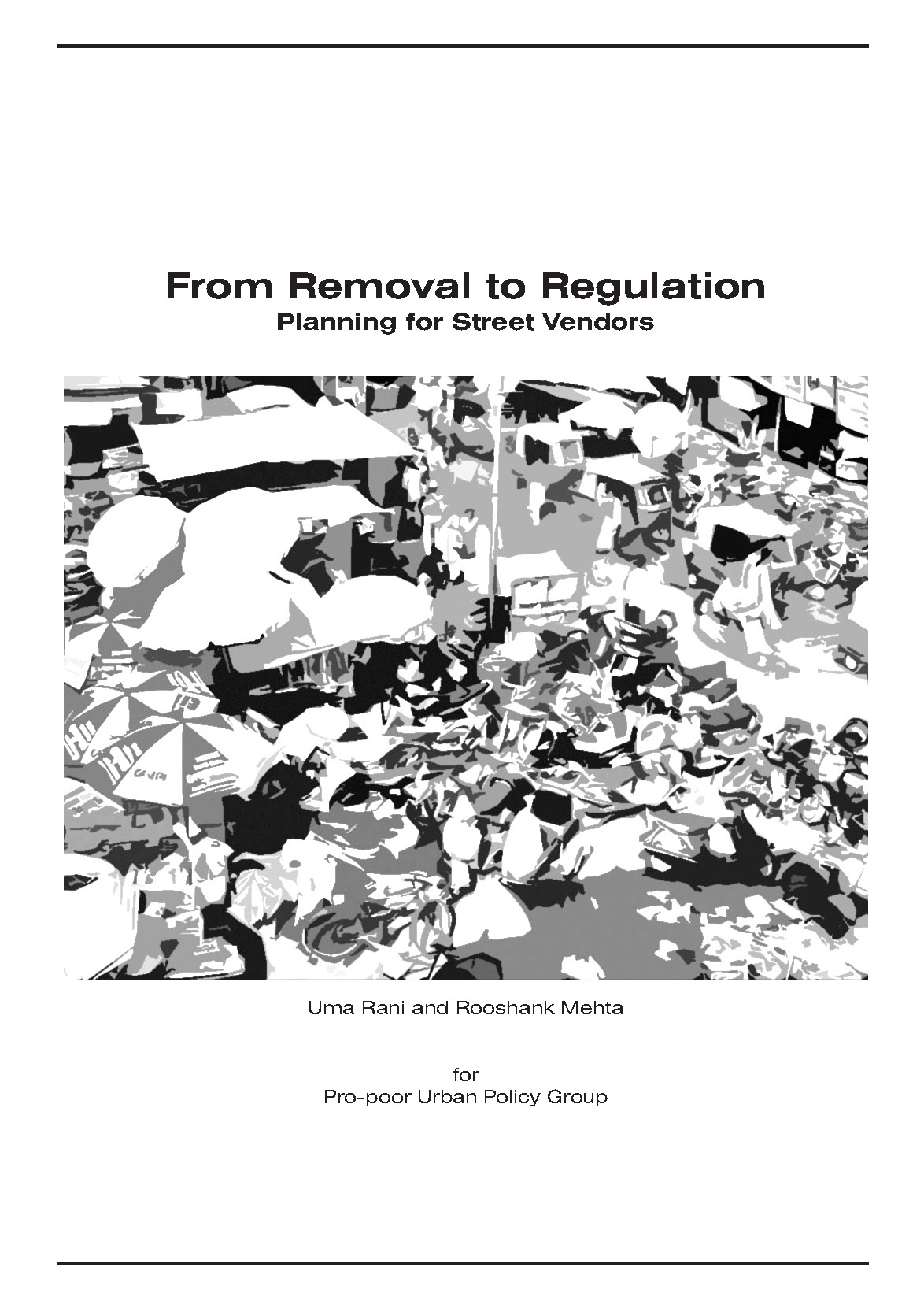
Demonstrated how street vendors can be integrated into urban planning through an inclusive, pro-poor policy, using Manek Chowk and Teen Darwaja in Ahmedabad as case studies.
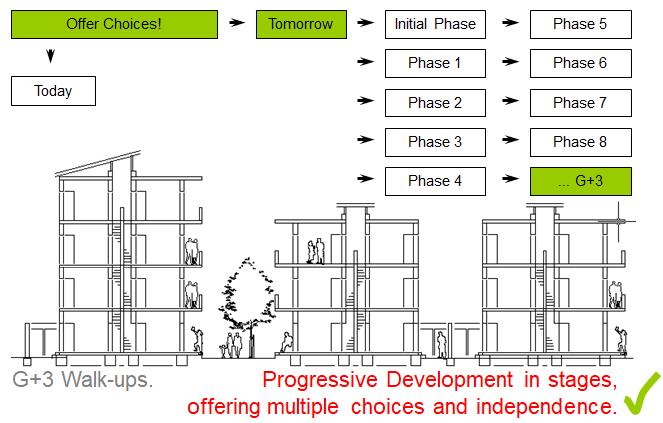
Developed high-density, low-rise housing design alternatives for a low-income site in Ahmedabad, presenting them as a preferable alternative to high-rise apartments.
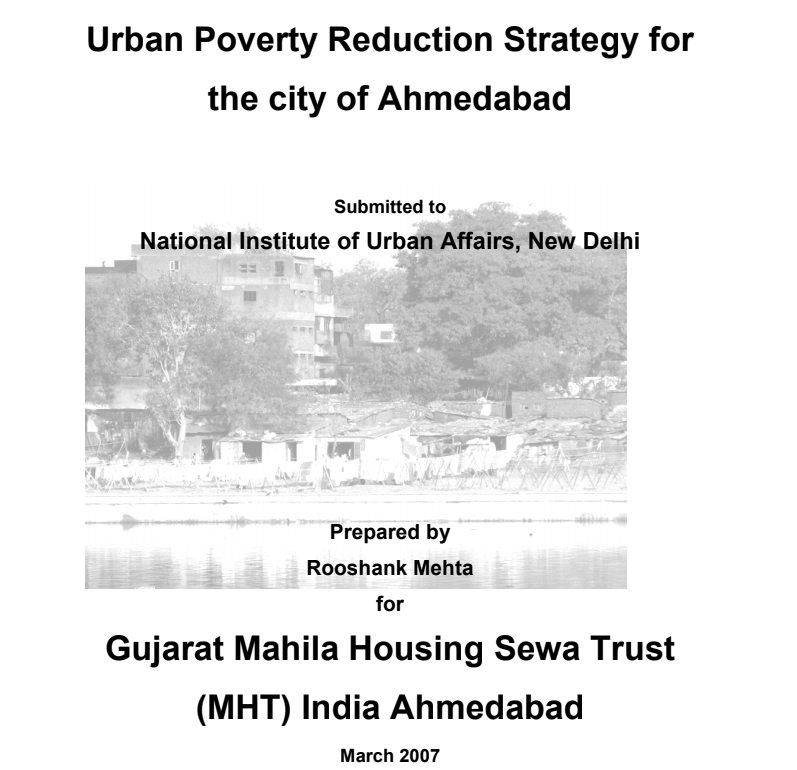
Prepared the inception study for the Urban Poverty Reduction Strategy for Ahmedabad, analysing living conditions of the poor and the impacts of urban development projects.
Documented and mapped 5% of Ahmedabad's slums and chawls to understand physical infrastructure and built forms in poor settlements.