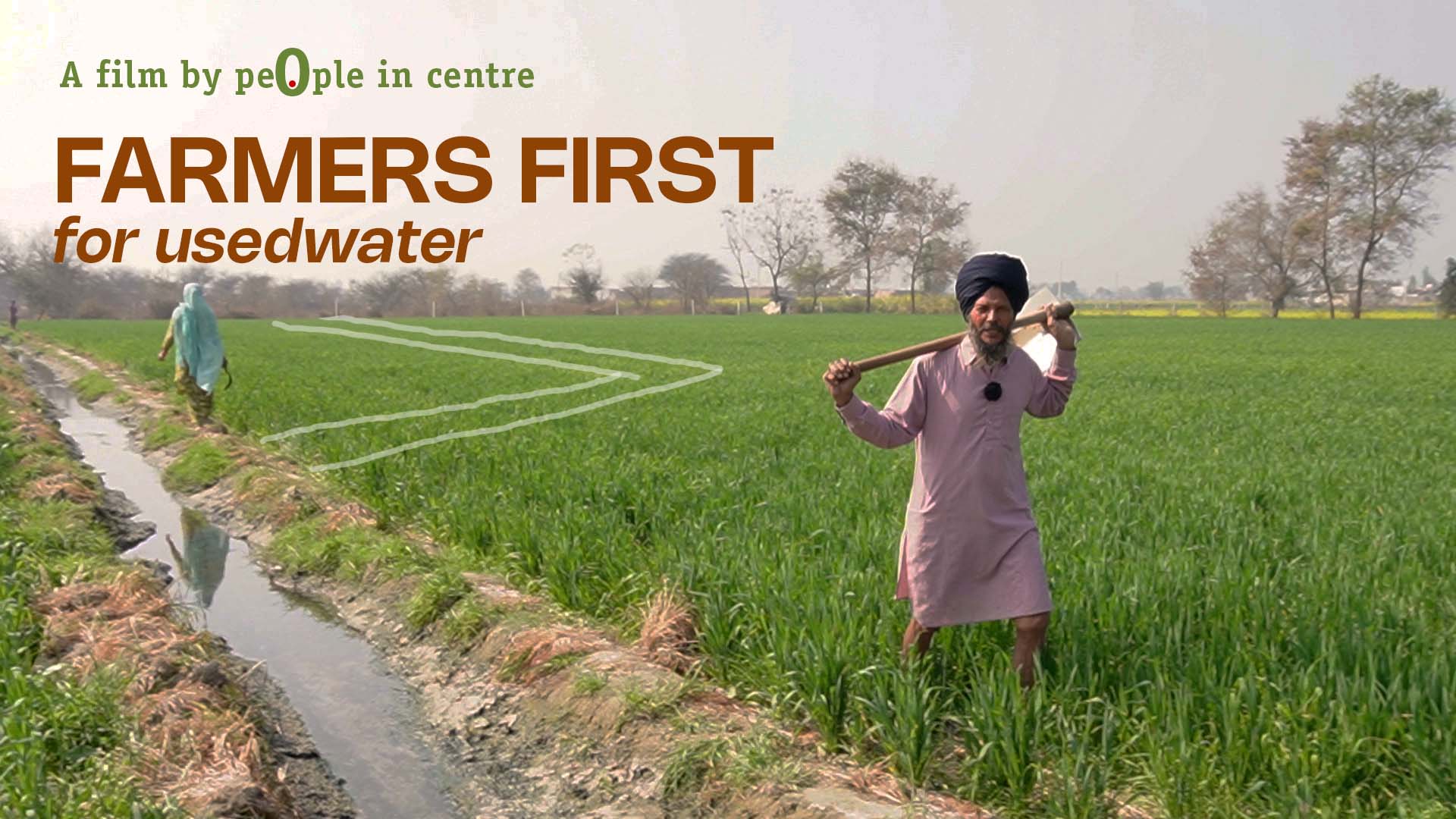
Farmers First for used water
The film documents a system of wastewater reuse shaped not just by engineering, but by governance, local coordination, and farmers' participation.
The film documents a system of wastewater reuse shaped not just by engineering, but by governance, local coordination, and farmers' participation.
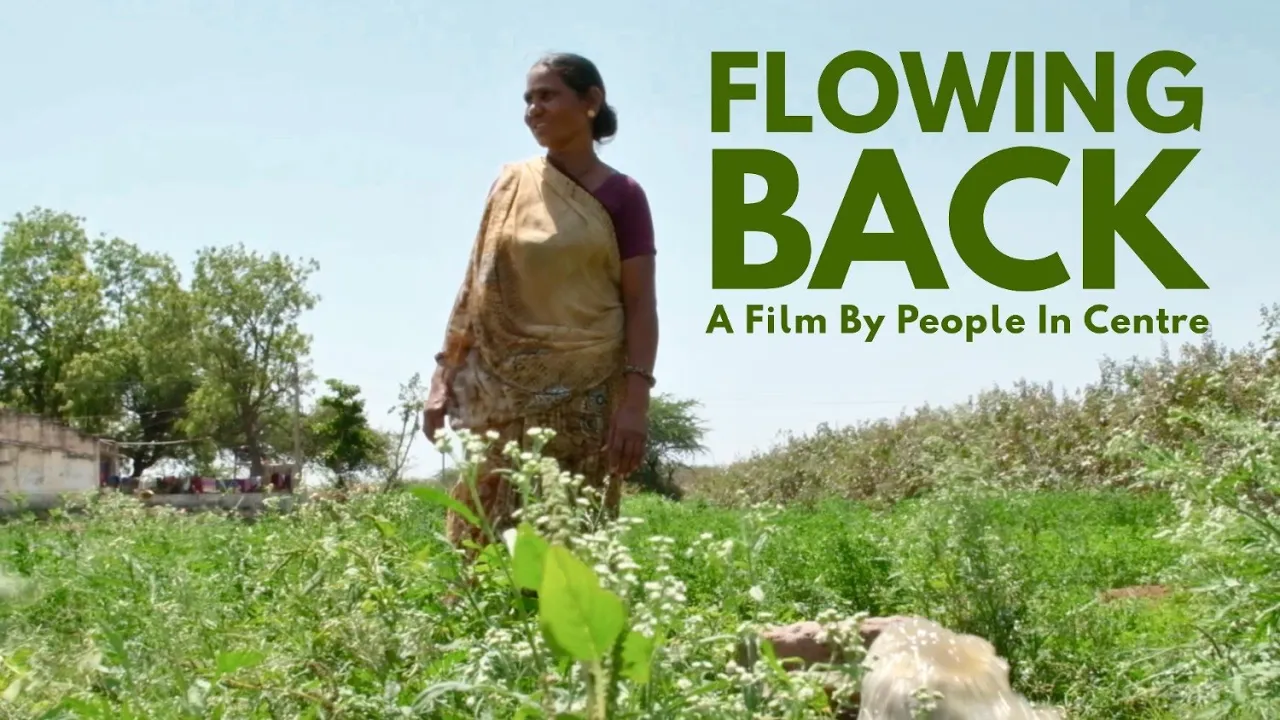
The film examines urban–rural water inequities and the informal yet essential use of wastewater by farmers, identifying challenges and examples of claiming used water.
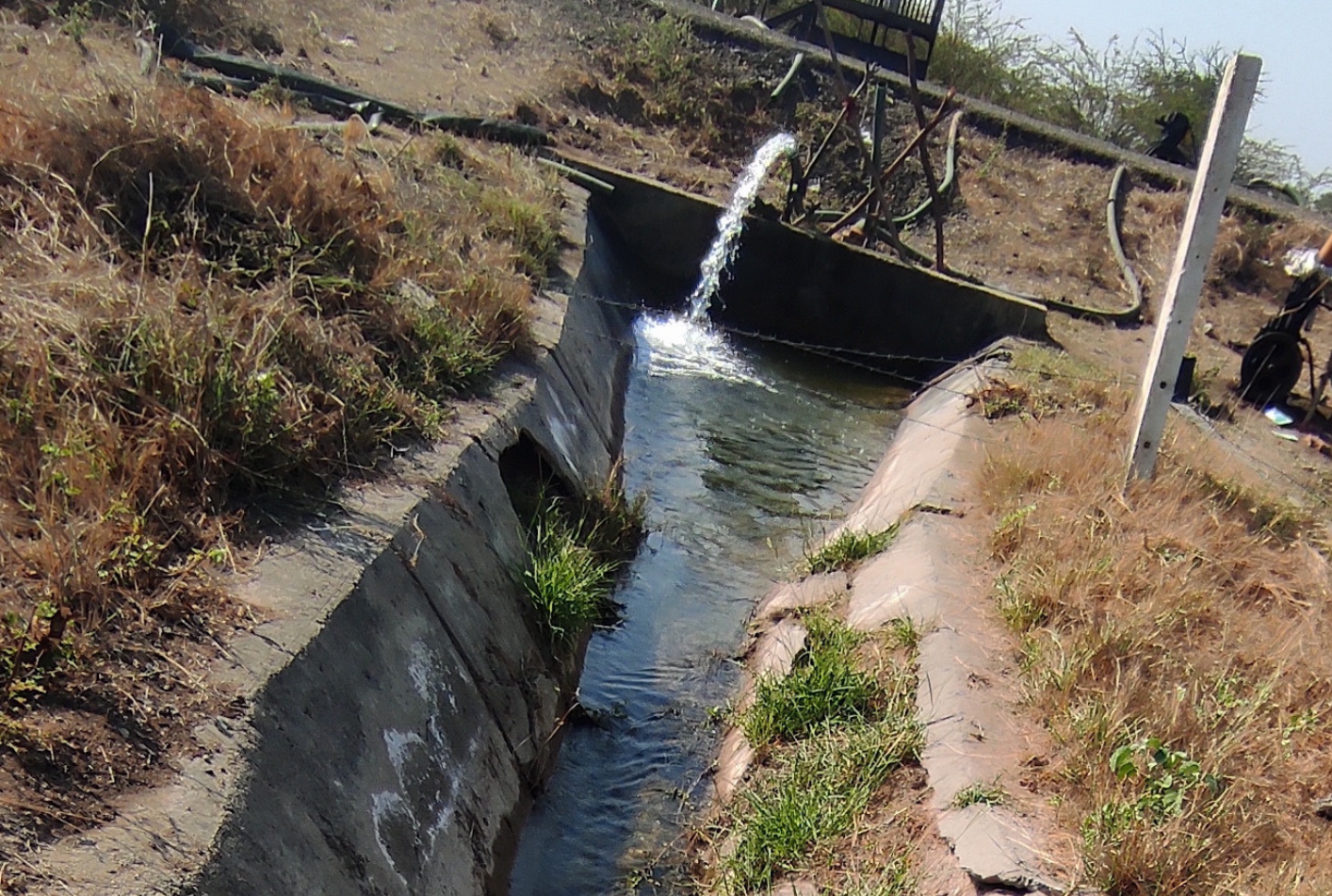
Conducted a first-of-its-kind study, with IWMI, of underground pipelines for last-mile irrigation connectivity from the Narmada canal.
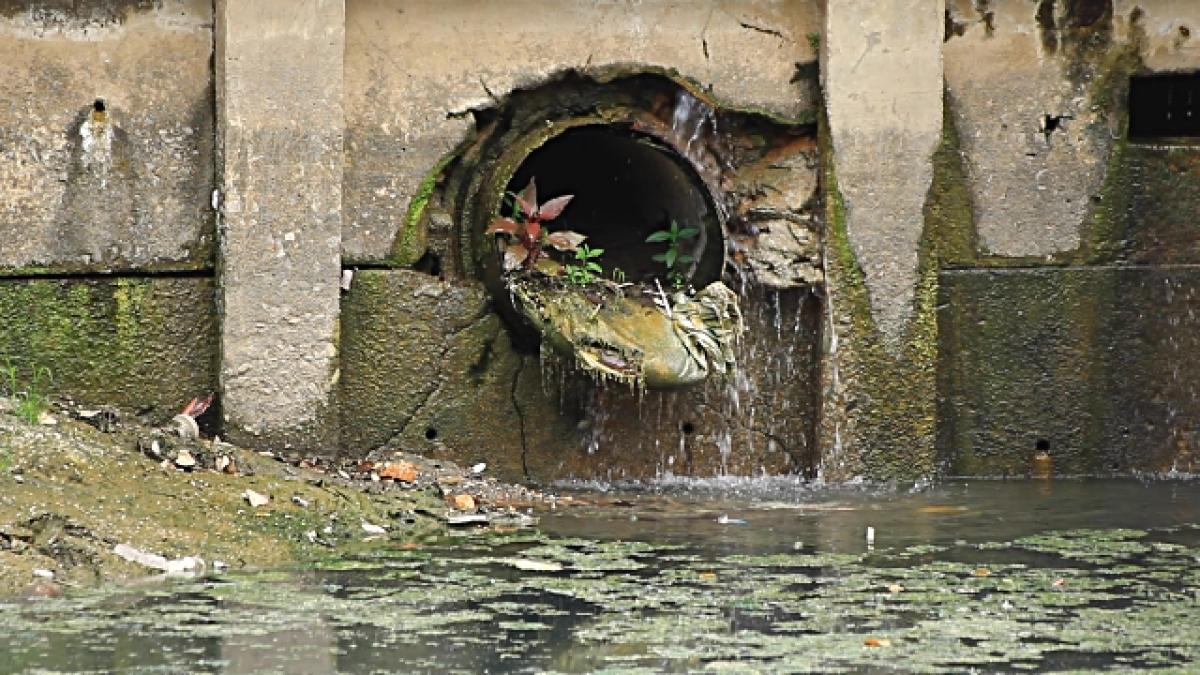
Authored an article on the growing contestations between urban and rural users over access rights to wastewater.
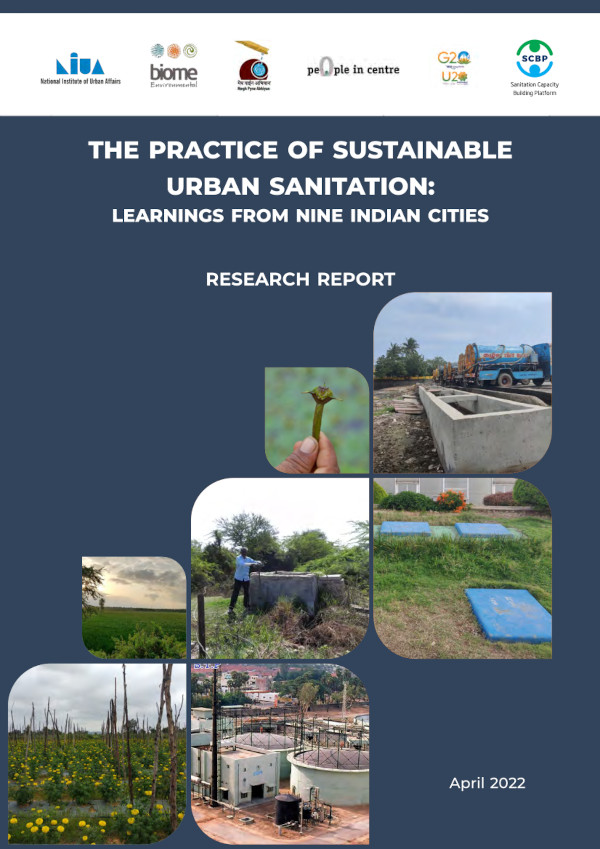
Researched practices of sustainable urban sanitation across nine Indian cities, leading the study in Gujarat.
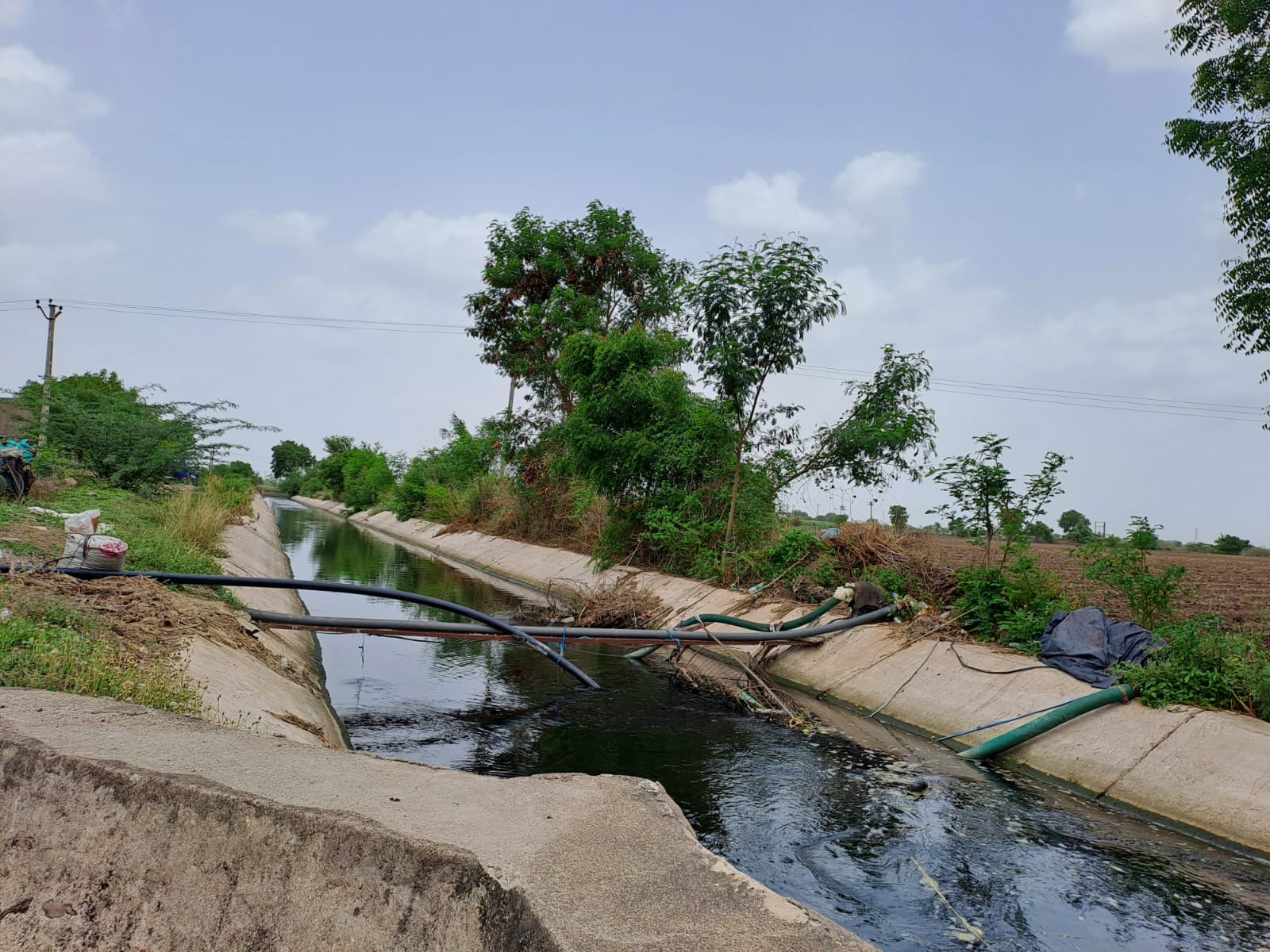
Co-authored a paper on how emerging wastewater reuse policies in India grant limited rights to rural users despite their being the largest users.
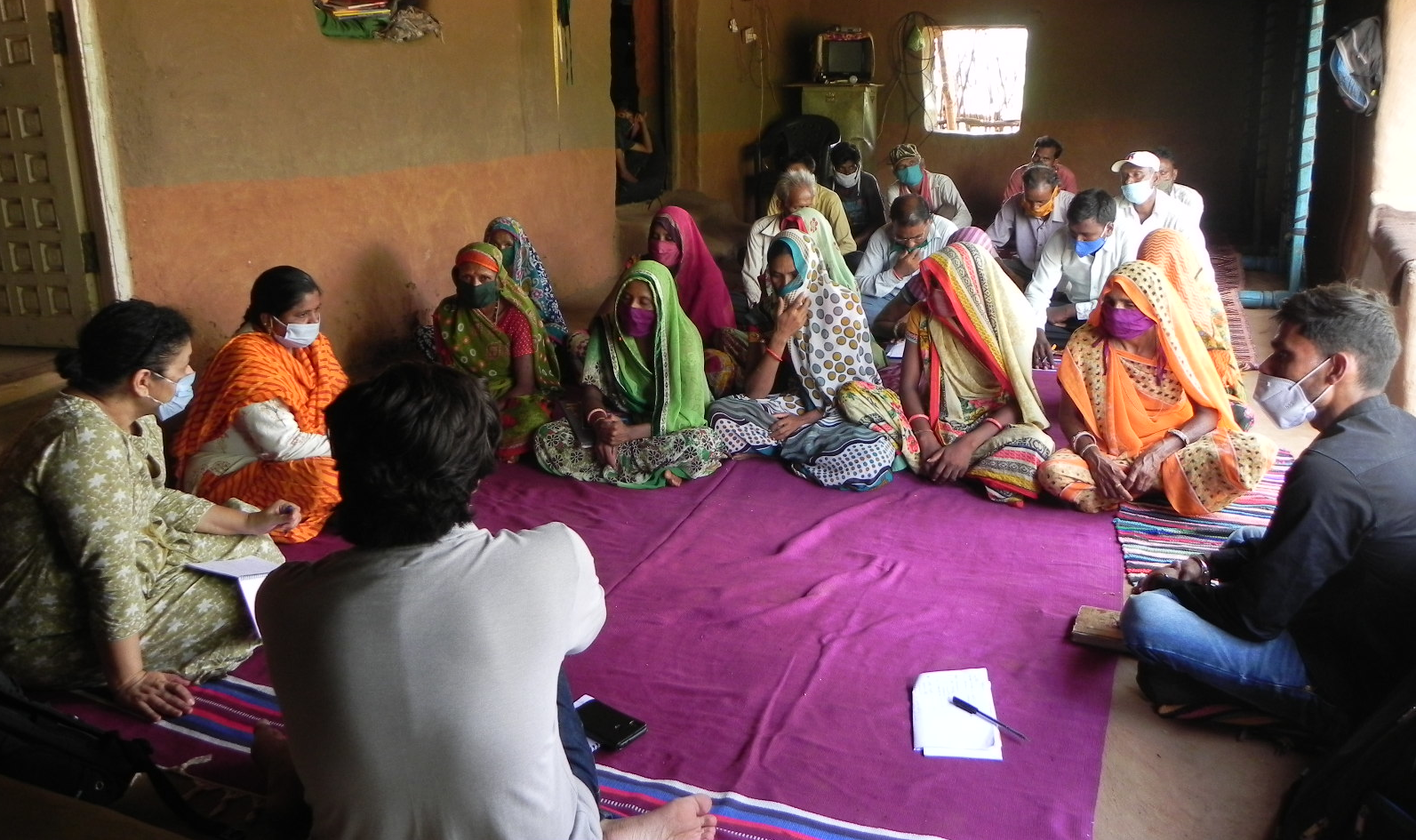
Conducted the end-of-project evaluation of the LEPNRM programme to inform the scaling up of tribal livelihoods support in Gujarat.
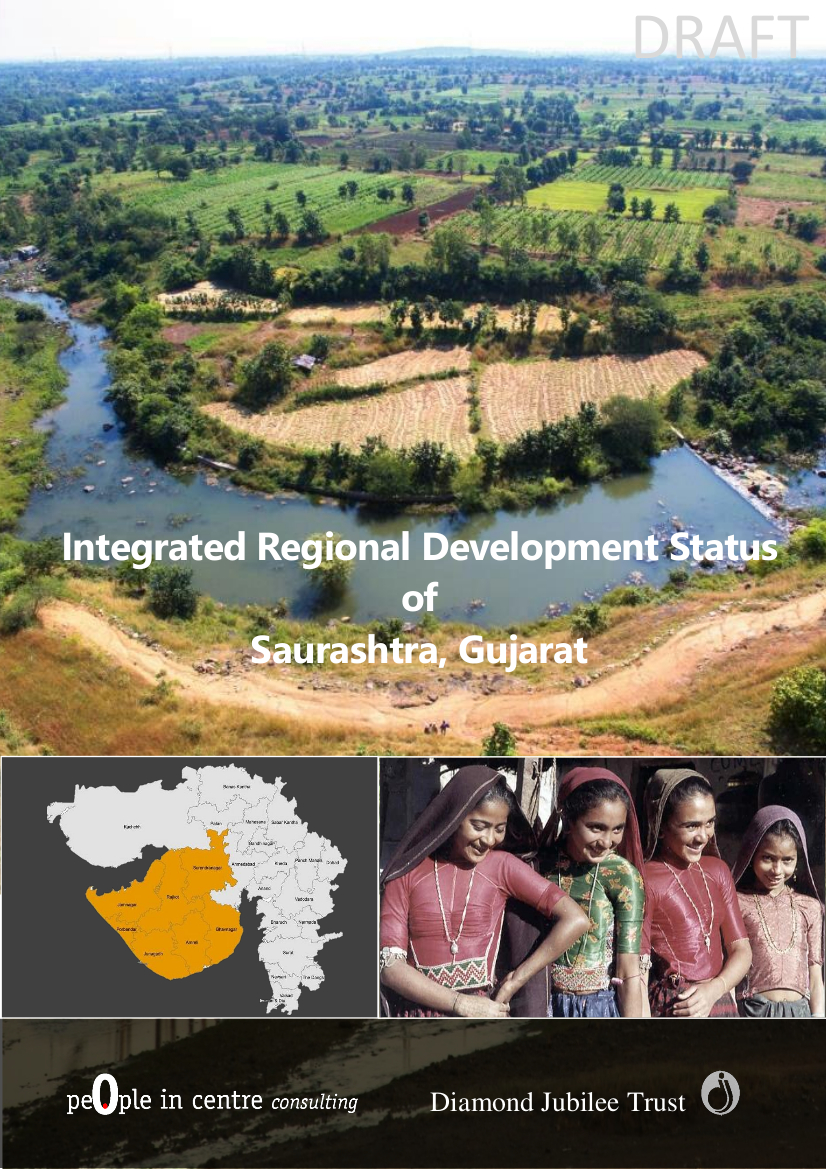
Prepared a status report on the regional development of Saurashtra, proposing a composite livelihood framework across its districts.
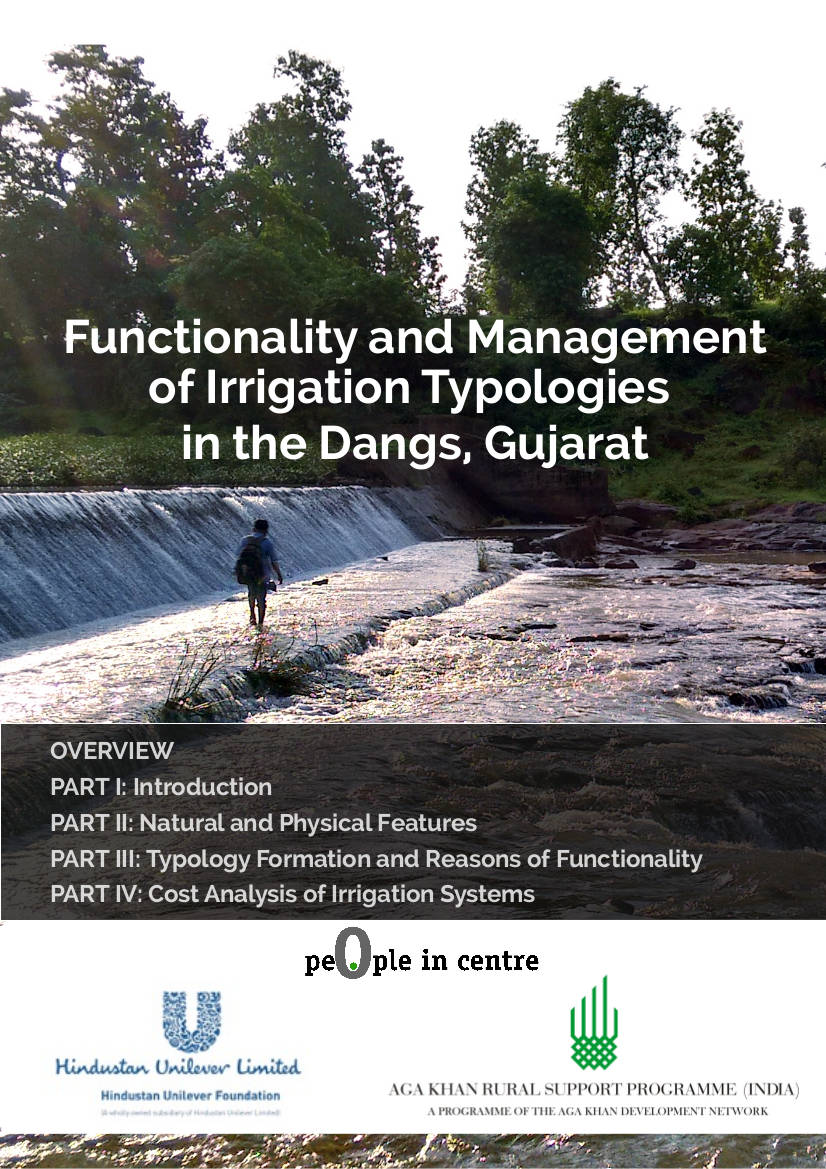
Collaborated with Hindustan Lever Foundation and AKRSP(I) to study the functionality, management and costs of irrigation systems in the Dangs, Gujarat.
Contributed to an IWMI-Tata policy paper analysing the socio-economic and livelihood impacts of PMKSY.
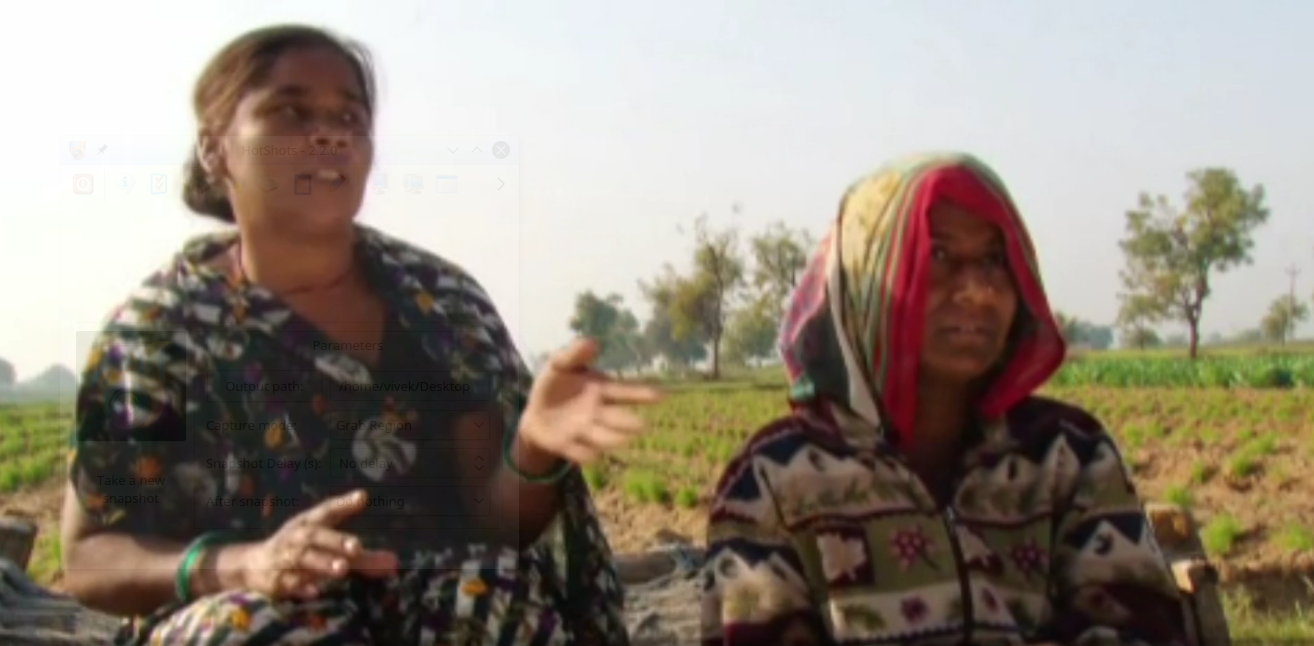
Produced a short film with IWMI documenting municipal innovations in Gujarat for managing wastewater.
Undertook exploratory studies on wastewater use in irrigation in Karnataka and Maharashtra, examining farmers' perceptions and the associated economics.
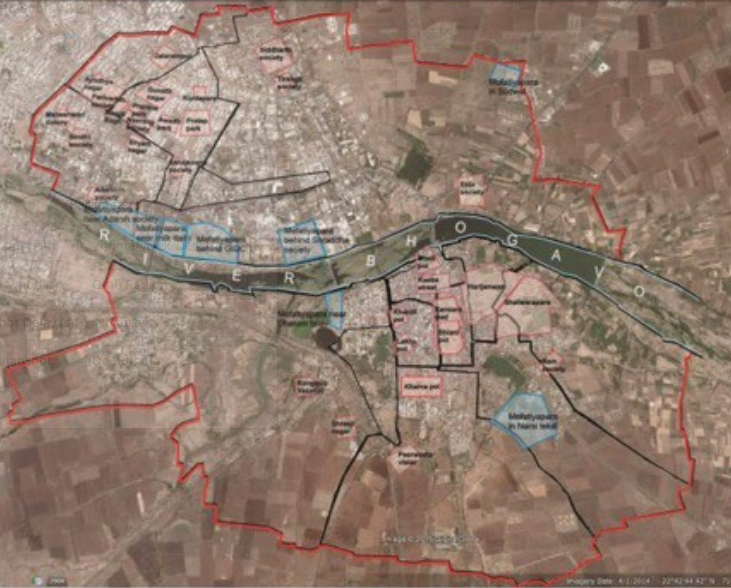
Collaborated with Urban Management Centre to prepare a Faecal Sludge Management Plan for Wadhwan, Gujarat.
Studied villages practising mangrove restoration in south Gujarat to help GIZ build a sustainable, community-owned restoration model.
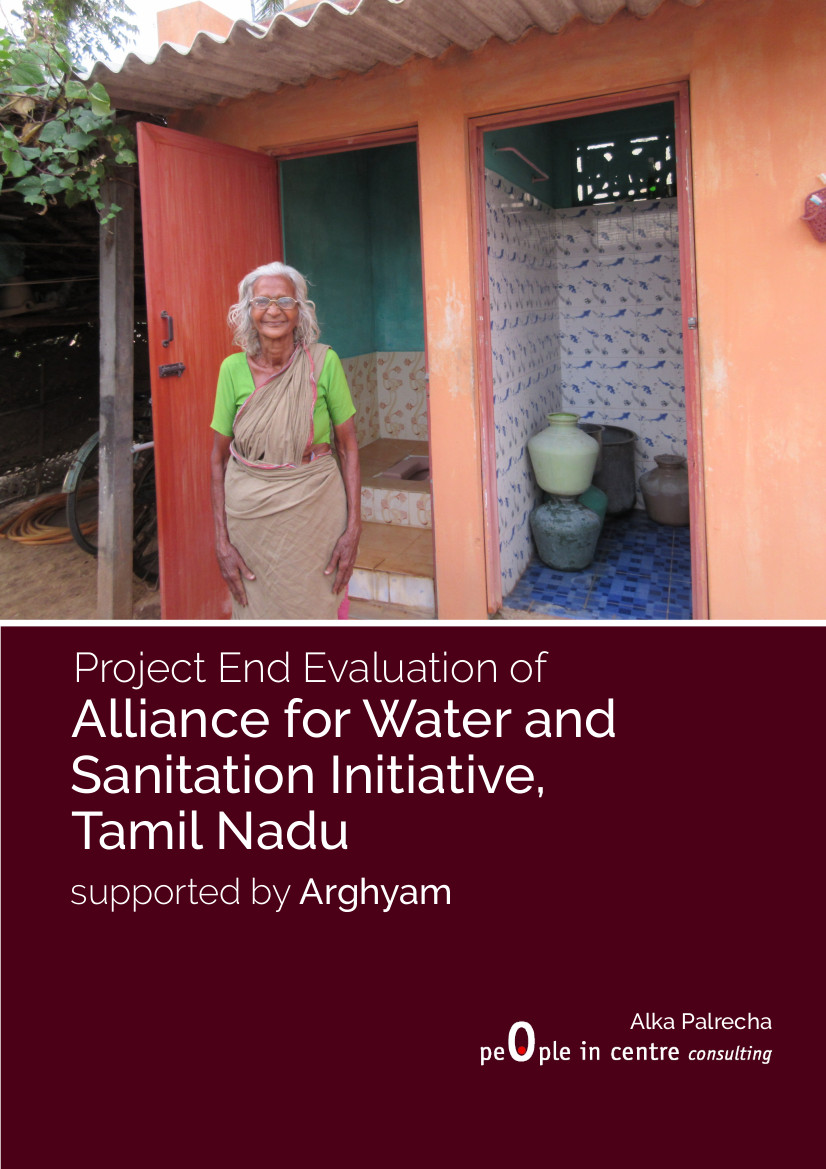
Undertook the end-of-project evaluation of Arghyam-supported water and sanitation initiatives of the Tamil Nadu Alliance.
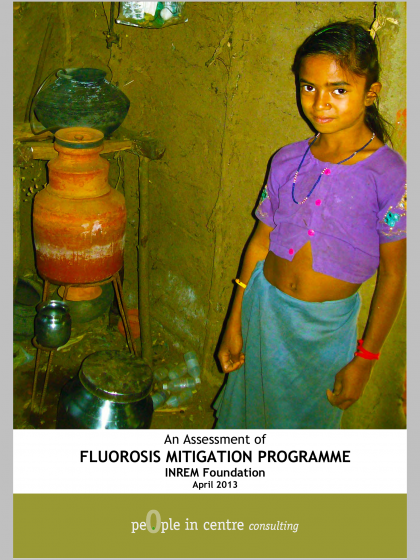
Assessed a Sir Ratan Tata Trust-supported programme mitigating fluorosis in the tribal villages of Jhabua district, Madhya Pradesh, through improved nutrition for children.
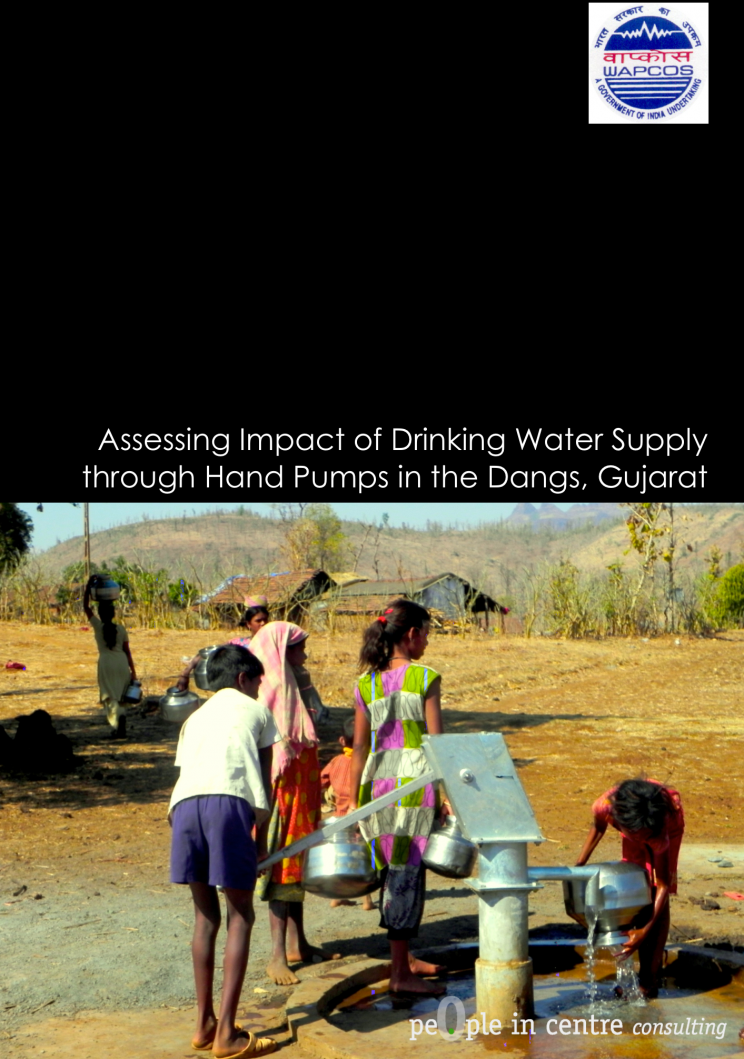
Assessed the social, economic, health and environmental impacts of hand-pump drinking water supply in five water-scarce villages of the Dangs, Gujarat.
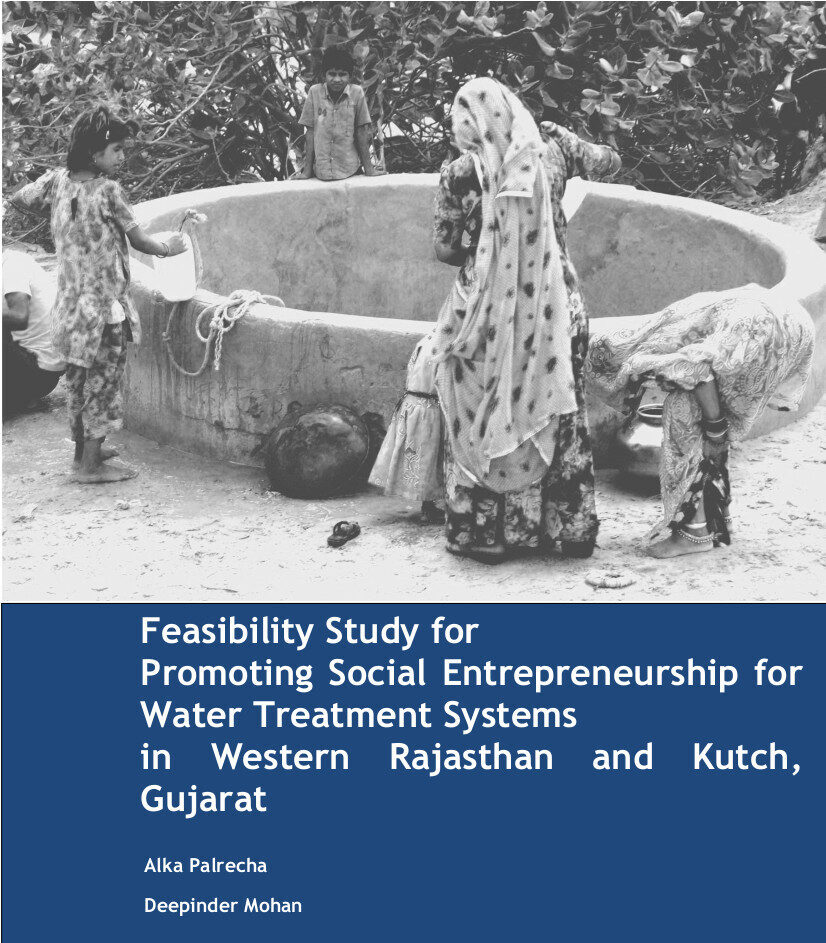
Studied how community-based water treatment systems could be promoted through social entrepreneurship in the arid regions of Western Rajasthan and Kutch.
Presented case studies on emerging relations around urban wastewater disposal and its use by farmers in peri-urban Gujarat.
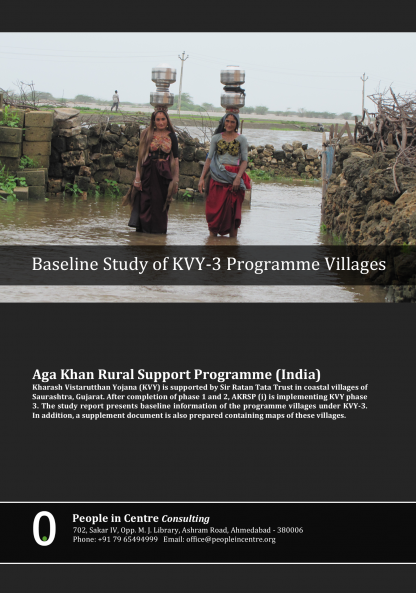
Prepared baseline information for the salinity-prevention programme villages of AKRSP (India) under KVY Phase-3 in Saurashtra, Gujarat.
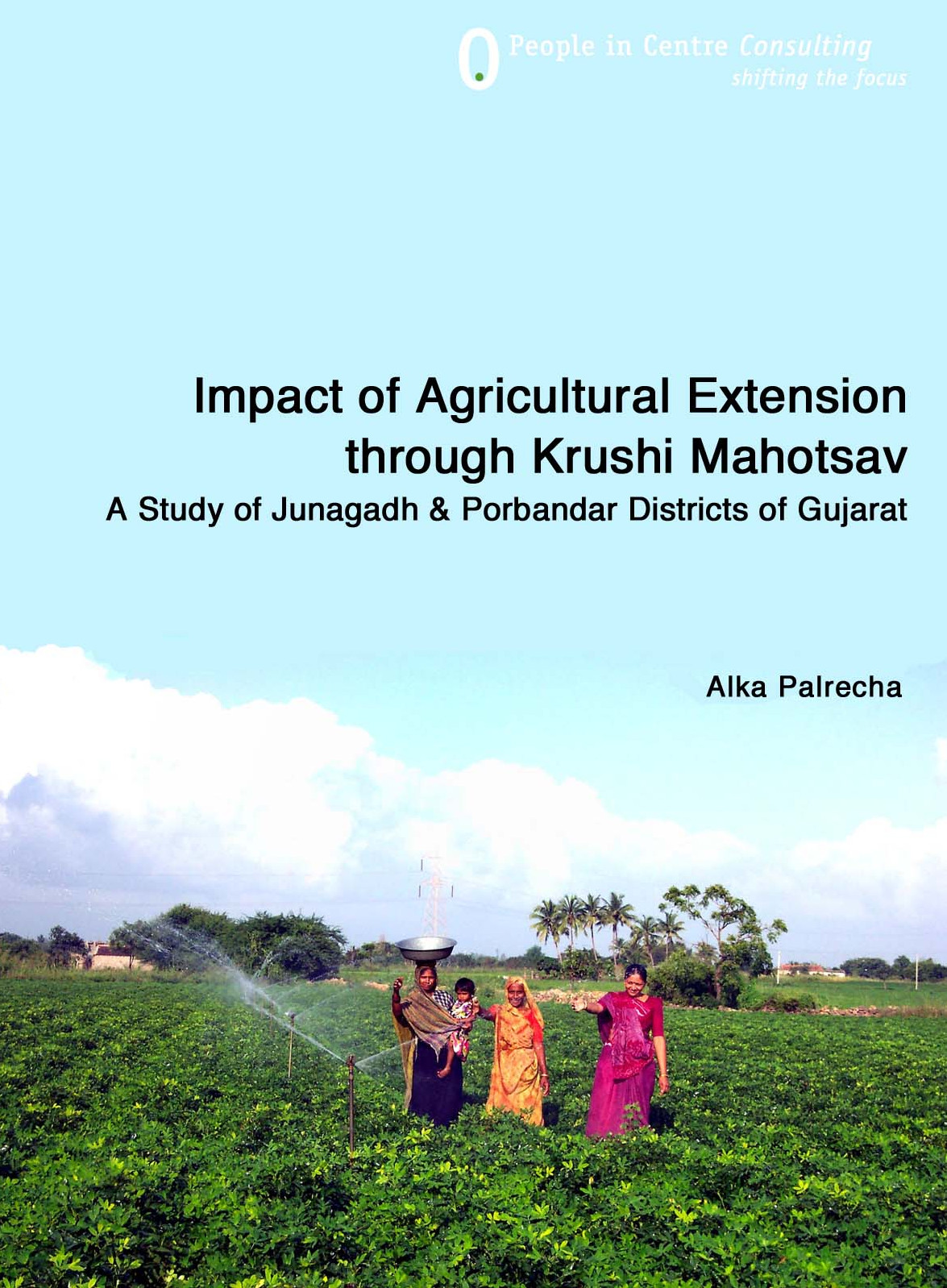
Studied the impact of Krishi Mahotsav, Gujarat's annual agricultural extension scheme using mobile exhibitions at community level.
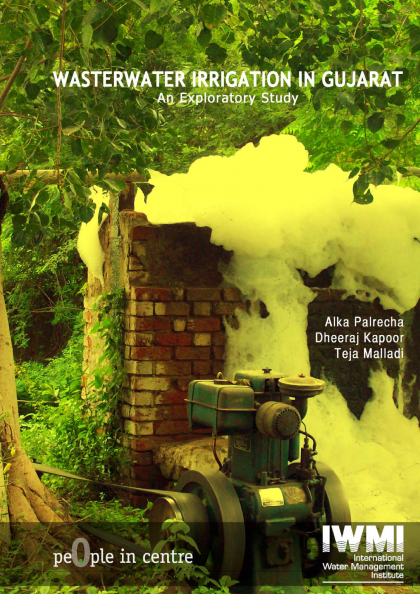
Studied the extent of wastewater use for irrigation in the peri-urban areas of major cities of Gujarat.
Researched the impact of decentralised water harvesting structures, including check dams and recharge wells, on agricultural output in Saurashtra.
Documented case studies, with civil society partners, showing how large-scale industry and nuclear power generation marginalise local communities and the environment.

Featured an episode on drinking water issues in coastal Gujarat in the BBC documentary series 'Villages on the Frontline'.
Studied the high incidence of kidney stones in coastal villages of Junagadh caused by drinking-water contamination from seawater intrusion.